- 리뷰
- 리스트
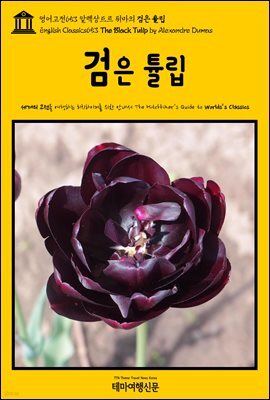
[eBook] 영어고전653 알렉상드르 뒤마의 검은 튤립(English Classics653 The Black Tulip by Alexandre Dumas)
- 글쓴이
- 알렉상드르 뒤마(Alexandre Dumas) 저
- 출판사
- 테마여행신문 TTN Theme Travel News Korea
- 출판일
- 2022년 7월 1일
읽고있어요
다 읽었어요
읽고싶어요
책 소개
분야소설
▶ 인간의 욕심은 끝이 없고 같은 실수를 반복한다…. : 검은 튤립(The Black Tulip by Alexandre Dumas)(1850)은 알렉상드르 뒤마(Alexandre Dumas)의 역사 소설(a historical novel)이자 낭만주의 시 작품(a work of Romantic poetry)으로 인류 역사상 최초의 거품 경제 현상(the first recorded speculative bubble or asset bubble in history)이라 일컬어지는 17세기 네덜란드 황금시대(Dutch Golden Age)의 튤립 파동(Tulip mania)을 배경으로 하는 작품입니다. 1630년대 터키에서 수입된 튤립 구근은 꽃이 피지도 않았음에도 불구하고, 수만 유로에, 그것도 선물로 거래될 정도로 비정상적인 거래가 되었고 결국 거품이 폭발하여 네덜란드는 경제대국의 지위조차 잃게 되었습니다. 번외적으로 근대 유럽의 3대 거품으로 네덜란드의 튤립 파동(Tulip mania)과 함께 영국의 남해 거품 사건(the south sea company bubble of 1720), 18세기 초 미시시피 계획(Compagnie du Mississippi)을 꼽습니다.
▶ 튤립은 모든 꽃 중에서 가장 아름답습니다.(The tulip is the most beautiful of all flowers.) : 작품의 주인공 코르넬리우스 판 바에를르(Cornelius Van Baerle)는 튤립을 키워내는 것은 신을 기쁘게 하는 것이란 자연파(the natural school)의 일원으로 노르트홀란트주의 하를렘(Haarlem)이 내건 10만 프랑(100,000 Francs)의 상금과 명예를 위해 ‘검은 튤립’을 키우는 일에 매진합니다. 당시 자연파는 다음과 같이 주장하였습니다. To despise flowers is to offend God. The more beautiful the flower is, the more does one offend God in despising it. The tulip is the most beautiful of all flowers. Therefore, he who despises the tulip offends God beyond measure. 꽃을 멸시하는 것은 하나님을 화나게 하는 것입니다. 그 꽃이 아름다울수록 그 꽃을 멸시하는 것은 하나님을 더욱 화나게 하는 것입니다. 튤립은 모든 꽃 중에서 가장 아름답습니다. 그러므로 튤립을 멸시하는 자는 하나님을 한없이 모욕하는 것입니다.
▶ 교도소에 갇힌 몽테 크리스토 백작, 아니 정원사 코넬리우스! : 그러나 신실한 바에를르를 지켜보는 이웃 정원사 아이작 박스텔(Mynheer Isaac Boxtel)은 그를 시기했고, 망원경으로 그를 지켜본 결과……. 그가 반역자 코넬리우스 드 위츠(Cornelius de Witt)와 연관이 있다고 주장하여 재판에 넘기는데 성공합니다! 급작스럽게 체포된 코넬리우스는 난데없이 종신형을 선고받았으나, 그럼에도 불구하고 하느님에 대한 굳건한 믿음으로 자신을 다스리고자 합니다. 그는 교도관의 딸 로자 그리퍼스(Rosa Gryphus)의 도움을 받아 교도소에서 튤립을 키우기 위해 매진하는데……. 과연 극한의 상황에 처한 코넬리우스는 검은 튤립을 키워낼 수 있을까요? 로자에 대한 그의 사랑은 과연 이루어질 수 있을까요? 무엇보다 신에 대한 그의 믿음은 보상받을 수 있을까요?
▶ 1850년 프랑스어 La Tulipe Noire(검은 튤립)란 제목으로 최초로 출간되었으며, 1921년 Maurits Binger와 Frank Richardson 감독의 무성영화를 시작으로 1937년, 1956년, 1970년, 1988년 등에 영화와 라디오 드라마, 애니메이션 등으로 제작되었습니다. 2005년 뮤지컬로 제작 및 초연되었으며 몽테 크리스토 백작(The Count of Monte Cristo)(1844~1846)과 함께 교도소에 갇힌 주인공이 위기를 극복하는 알렉상드르 뒤마(Alexandre Dumas)의 흥미진진한 대중소설로 사랑받고 있습니다. 국내에도 번역본이 출간되었습니다. 테마여행신문 TTN Korea 영어고전(English Classics)과 함께 어제도, 오늘도, 내일도 멋진 문학여행을! B
▶ Chapter 1. A Grateful People. If the history of that time, and especially that of the year in the middle of which our narrative commences, were not indissolubly connected with the two names just mentioned, the few explanatory pages which we are about to add might appear quite supererogatory; but we will, from the very first, apprise the reader?our old friend, to whom we are wont on the first page to promise amusement, and with whom we always try to keep our word as well as is in our power?that this explanation is as indispensable to the right understanding of our story as to that of the great event itself on which it is based.
제1장. 감사하는 사람들. 그 시간의 역사, 특히 우리의 이야기가 시작되는 그 해의 역사가 방금 언급한 두 이름과 불가분의 관계가 없다면, 우리가 추가하려고 하는 몇 개의 설명 페이지는 상당히 과장되게 보일 수 있습니다. 그러나 우리는 처음부터 독자, 즉 첫 페이지에서 즐거움을 약속하는 것을 꺼리는 우리의 오랜 친구이자 우리의 힘이 닿는 대로 항상 약속을 지키려고 애쓰는 우리의 오랜 친구임을 알릴 것입니다. 설명은 이야기의 기반이 되는 위대한 사건 자체에 대한 것만큼 이야기를 올바르게 이해하는 데 필수적입니다.
▶ Chapter 13. What was going on all this Time in the Mind of one of the Spectators. Whilst Cornelius was engaged with his own thoughts, a coach had driven up to the scaffold. This vehicle was for the prisoner. He was invited to enter it, and he obeyed. His last look was towards the Buytenhof. He hoped to see at the window the face of Rosa, brightening up again. But the coach was drawn by good horses, who soon carried Van Baerle away from among the shouts which the rabble roared in honour of the most magnanimous Stadtholder, mixing with it a spice of abuse against the brothers De Witt and the godson of Cornelius, who had just now been saved from death.
제13장. 한 관중의 머릿속에서 그동안 무슨 일이 일어나고 있었는지. 코넬리우스가 자신의 생각에 몰두하고 있는 동안 마차는 비계까지 차를 몰고 왔습니다. 이 차량은 죄수를 위한 것이었습니다. 그는 그곳에 들어가도록 초대를 받았고 순종했습니다. 그의 마지막 시선은 바이텐호프를 향한 것이었습니다. 그는 창가에서 다시 밝아지는 로사의 얼굴을 보기를 바랐습니다. 그러나 마차는 가장 관대한 슈타트홀더에게 경의를 표하기 위해 폭도들이 포효한 폭도들 사이에서 반 바에를르(Van Baerle)를 곧 데려갔고, 드 위츠(De Witt) 형제와 코넬리우스(Cornelius)의 대자에 대한 모욕의 조미료를 섞었습니다. 이제 막 죽음에서 구원을 받았습니다.
▶ Chapter 33. Conclusion. “As to you, it has come to light that you were imprisoned for a crime which you had not committed. This means, that you are not only free, but that your property will be restored to you; as the property of an innocent man cannot be confiscated. Cornelius van Baerle, you are the godson of Cornelius de Witt and the friend of his brother John. Remain worthy of the name you have received from one of them, and of the friendship you have enjoyed with the other. The two De Witts, wrongly judged and wrongly punished in a moment of popular error, were two great citizens, of whom Holland is now proud.”
제33장. 결론. “당신에 관해서는 당신이 저지르지 않은 범죄로 교도소에 갇힌 것이 드러났습니다. 이것은 귀하가 자유로울 뿐만 아니라 귀하의 재산이 귀하에게 회복될 것임을 의미합니다. 무고한 사람의 재산은 몰수할 수 없기 때문입니다. 코르넬리우스 반 바에를르(Cornelius van Baerle), 당신은 코넬리우스 드 위츠(Cornelius de Witt)의 대자이자 그의 형제 존(John)의 친구입니다. 그들 중 한 사람에게서 받은 이름과 다른 사람과 누렸던 우정에 합당하게 남아 있으십시오. 대중적 오류의 순간에 잘못된 판단과 잘못된 처벌을 받은 두 명의 드 위츠(De Witts)는 두 명의 위대한 시민이었고, 이제 네덜란드가 자랑스러워하고 있습니다.”
▶ 튤립은 모든 꽃 중에서 가장 아름답습니다.(The tulip is the most beautiful of all flowers.) : 작품의 주인공 코르넬리우스 판 바에를르(Cornelius Van Baerle)는 튤립을 키워내는 것은 신을 기쁘게 하는 것이란 자연파(the natural school)의 일원으로 노르트홀란트주의 하를렘(Haarlem)이 내건 10만 프랑(100,000 Francs)의 상금과 명예를 위해 ‘검은 튤립’을 키우는 일에 매진합니다. 당시 자연파는 다음과 같이 주장하였습니다. To despise flowers is to offend God. The more beautiful the flower is, the more does one offend God in despising it. The tulip is the most beautiful of all flowers. Therefore, he who despises the tulip offends God beyond measure. 꽃을 멸시하는 것은 하나님을 화나게 하는 것입니다. 그 꽃이 아름다울수록 그 꽃을 멸시하는 것은 하나님을 더욱 화나게 하는 것입니다. 튤립은 모든 꽃 중에서 가장 아름답습니다. 그러므로 튤립을 멸시하는 자는 하나님을 한없이 모욕하는 것입니다.
▶ 교도소에 갇힌 몽테 크리스토 백작, 아니 정원사 코넬리우스! : 그러나 신실한 바에를르를 지켜보는 이웃 정원사 아이작 박스텔(Mynheer Isaac Boxtel)은 그를 시기했고, 망원경으로 그를 지켜본 결과……. 그가 반역자 코넬리우스 드 위츠(Cornelius de Witt)와 연관이 있다고 주장하여 재판에 넘기는데 성공합니다! 급작스럽게 체포된 코넬리우스는 난데없이 종신형을 선고받았으나, 그럼에도 불구하고 하느님에 대한 굳건한 믿음으로 자신을 다스리고자 합니다. 그는 교도관의 딸 로자 그리퍼스(Rosa Gryphus)의 도움을 받아 교도소에서 튤립을 키우기 위해 매진하는데……. 과연 극한의 상황에 처한 코넬리우스는 검은 튤립을 키워낼 수 있을까요? 로자에 대한 그의 사랑은 과연 이루어질 수 있을까요? 무엇보다 신에 대한 그의 믿음은 보상받을 수 있을까요?
▶ 1850년 프랑스어 La Tulipe Noire(검은 튤립)란 제목으로 최초로 출간되었으며, 1921년 Maurits Binger와 Frank Richardson 감독의 무성영화를 시작으로 1937년, 1956년, 1970년, 1988년 등에 영화와 라디오 드라마, 애니메이션 등으로 제작되었습니다. 2005년 뮤지컬로 제작 및 초연되었으며 몽테 크리스토 백작(The Count of Monte Cristo)(1844~1846)과 함께 교도소에 갇힌 주인공이 위기를 극복하는 알렉상드르 뒤마(Alexandre Dumas)의 흥미진진한 대중소설로 사랑받고 있습니다. 국내에도 번역본이 출간되었습니다. 테마여행신문 TTN Korea 영어고전(English Classics)과 함께 어제도, 오늘도, 내일도 멋진 문학여행을! B
▶ Chapter 1. A Grateful People. If the history of that time, and especially that of the year in the middle of which our narrative commences, were not indissolubly connected with the two names just mentioned, the few explanatory pages which we are about to add might appear quite supererogatory; but we will, from the very first, apprise the reader?our old friend, to whom we are wont on the first page to promise amusement, and with whom we always try to keep our word as well as is in our power?that this explanation is as indispensable to the right understanding of our story as to that of the great event itself on which it is based.
제1장. 감사하는 사람들. 그 시간의 역사, 특히 우리의 이야기가 시작되는 그 해의 역사가 방금 언급한 두 이름과 불가분의 관계가 없다면, 우리가 추가하려고 하는 몇 개의 설명 페이지는 상당히 과장되게 보일 수 있습니다. 그러나 우리는 처음부터 독자, 즉 첫 페이지에서 즐거움을 약속하는 것을 꺼리는 우리의 오랜 친구이자 우리의 힘이 닿는 대로 항상 약속을 지키려고 애쓰는 우리의 오랜 친구임을 알릴 것입니다. 설명은 이야기의 기반이 되는 위대한 사건 자체에 대한 것만큼 이야기를 올바르게 이해하는 데 필수적입니다.
▶ Chapter 13. What was going on all this Time in the Mind of one of the Spectators. Whilst Cornelius was engaged with his own thoughts, a coach had driven up to the scaffold. This vehicle was for the prisoner. He was invited to enter it, and he obeyed. His last look was towards the Buytenhof. He hoped to see at the window the face of Rosa, brightening up again. But the coach was drawn by good horses, who soon carried Van Baerle away from among the shouts which the rabble roared in honour of the most magnanimous Stadtholder, mixing with it a spice of abuse against the brothers De Witt and the godson of Cornelius, who had just now been saved from death.
제13장. 한 관중의 머릿속에서 그동안 무슨 일이 일어나고 있었는지. 코넬리우스가 자신의 생각에 몰두하고 있는 동안 마차는 비계까지 차를 몰고 왔습니다. 이 차량은 죄수를 위한 것이었습니다. 그는 그곳에 들어가도록 초대를 받았고 순종했습니다. 그의 마지막 시선은 바이텐호프를 향한 것이었습니다. 그는 창가에서 다시 밝아지는 로사의 얼굴을 보기를 바랐습니다. 그러나 마차는 가장 관대한 슈타트홀더에게 경의를 표하기 위해 폭도들이 포효한 폭도들 사이에서 반 바에를르(Van Baerle)를 곧 데려갔고, 드 위츠(De Witt) 형제와 코넬리우스(Cornelius)의 대자에 대한 모욕의 조미료를 섞었습니다. 이제 막 죽음에서 구원을 받았습니다.
▶ Chapter 33. Conclusion. “As to you, it has come to light that you were imprisoned for a crime which you had not committed. This means, that you are not only free, but that your property will be restored to you; as the property of an innocent man cannot be confiscated. Cornelius van Baerle, you are the godson of Cornelius de Witt and the friend of his brother John. Remain worthy of the name you have received from one of them, and of the friendship you have enjoyed with the other. The two De Witts, wrongly judged and wrongly punished in a moment of popular error, were two great citizens, of whom Holland is now proud.”
제33장. 결론. “당신에 관해서는 당신이 저지르지 않은 범죄로 교도소에 갇힌 것이 드러났습니다. 이것은 귀하가 자유로울 뿐만 아니라 귀하의 재산이 귀하에게 회복될 것임을 의미합니다. 무고한 사람의 재산은 몰수할 수 없기 때문입니다. 코르넬리우스 반 바에를르(Cornelius van Baerle), 당신은 코넬리우스 드 위츠(Cornelius de Witt)의 대자이자 그의 형제 존(John)의 친구입니다. 그들 중 한 사람에게서 받은 이름과 다른 사람과 누렸던 우정에 합당하게 남아 있으십시오. 대중적 오류의 순간에 잘못된 판단과 잘못된 처벌을 받은 두 명의 드 위츠(De Witts)는 두 명의 위대한 시민이었고, 이제 네덜란드가 자랑스러워하고 있습니다.”
전체 리뷰 (0)
최근 작성 순