- 리뷰
- 리스트
- 구매
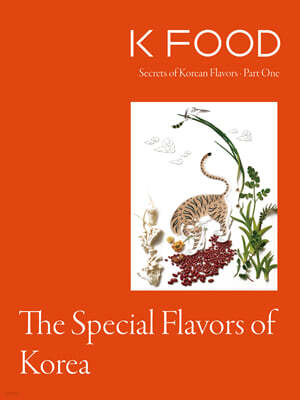
K FOOD : Secrets of Korean Flavors : Part 1
- 글쓴이
- 행복이 가득한 집 편집부 저
- 출판사
- KONG&PARK
- 출판일
- 2021년 9월 30일
읽고있어요
다 읽었어요
읽고싶어요
저자

행복이 가득한 집 편집부
1987년에 창간된 《행복이 가득한 집》은 인테리어와 건축을 비롯해 요리와 패션, 문화와 예술에 관한 새로운 정보를 전달하며, 일상을 디자인하고 삶을 풍요롭게 만드는 방법을 제안하는 라이프스타일 잡지이다. 가십이나 스캔들 기사 없는 온 가족이 함께 볼 수 있는 잡지, 마음과 영혼에 양식이 되는 ‘셸터 매거진(Shelter Magazine)’을 지향하며 진정성을 담은 기사와 정선된 광고를 담아, 우리나라에서 발행되는 잡지 중 가장 많은 정기 구독자 수를 자랑한다.
이 책은 《행복이 가득한 집》에 실린 ‘한옥’에 대한 칼럼을 선별해 엮은 것으로, 사는 이가 저마다의 취향과 라이프스타일에 맞추어 아름답고 실용적으로 개축 또는 신축한 한옥을 기자들이 직접 찾아다니며 취재했다. 북촌 한옥마을의 전통 한옥을 고쳐 지은 살림집부터 1만m²가 넘는 대지에 첨단 소재를 사용해 새로 지은 한옥 호텔까지 스물네 채의 집을 속속들이 구경할 수 있다.
최근 출간한 『더 홈』은 《행복이 가득한 집》의 대표 칼럼인 ‘라이프&스타일’을 선별해 엮은 것으로 기자들이 건축, 공예, 인테리어, 교육, 출판 등 다양한 분야에 몸담고 있는 사람들의 집을 직접 찾아다니며 취재한 이야기다. 자신의 분야에서 성공과 행복을 일군 스물두 명의 라이프스타일과 그들이 그 라이프스타일을 꾸려 가는 공간을 소개함으로써, 독자들이 저마다 살고 싶은 집, 꿈꾸는 일상을 구체적으로 그리고 그 꿈을 실현할 수 있도록 안내한다.
이 책은 《행복이 가득한 집》에 실린 ‘한옥’에 대한 칼럼을 선별해 엮은 것으로, 사는 이가 저마다의 취향과 라이프스타일에 맞추어 아름답고 실용적으로 개축 또는 신축한 한옥을 기자들이 직접 찾아다니며 취재했다. 북촌 한옥마을의 전통 한옥을 고쳐 지은 살림집부터 1만m²가 넘는 대지에 첨단 소재를 사용해 새로 지은 한옥 호텔까지 스물네 채의 집을 속속들이 구경할 수 있다.
최근 출간한 『더 홈』은 《행복이 가득한 집》의 대표 칼럼인 ‘라이프&스타일’을 선별해 엮은 것으로 기자들이 건축, 공예, 인테리어, 교육, 출판 등 다양한 분야에 몸담고 있는 사람들의 집을 직접 찾아다니며 취재한 이야기다. 자신의 분야에서 성공과 행복을 일군 스물두 명의 라이프스타일과 그들이 그 라이프스타일을 꾸려 가는 공간을 소개함으로써, 독자들이 저마다 살고 싶은 집, 꿈꾸는 일상을 구체적으로 그리고 그 꿈을 실현할 수 있도록 안내한다.
책 소개
분야가정 살림
K FOOD: Secrets of Korean Flavors: Part 1, The Special Flavors of Korea
This is a general overview that outlines Korean food with the codes of 'flavorlessness ', 'fusion', 'fermentation', 'gathering,' and 'moist-heat.' In addition, we explored the special tastes of Korea, such as royal cuisine, Jongga food, Banga (nobleman house) food, temple food, seasonal holiday food, and rite of passage ceremonial food. It also contains basic information on ingredients that Koreans enjoy these days, Korean seasoning and garnish, Korean cooking tools, Korean dishes, such as white porcelain, brassware, Onggi, Korean ethnic earthenware, and woodenware, etc., and dining table and soban (a small portable dining table).
(Quotes)
“In contrast, Korean dishes are only completed in the mouth of the person eating. For every meal, rice, soup, vegetables, meat, fish and even desserts such as tteok and sikhye (sweet rice drink) are served simultaneously. Presented with parallel dishes served at the same time, Koreans put whatever they want to eat in their mouths. They might have a spoonful of rice with a slice of kimchi, they might mix a bit of galbi (grilled short rib) sauce with rice, or they might dump all of their rice into their soup. Depending on what you mix with rice, you can create bites that are salty, mild, or spicy. It’s up to the eater to create the exact taste of the food. Therefore, Korean food culture is defined by the concepts of becoming and creation. It’s inclusive - it embraces and combines.” (Preface of Volume 1, ‘K FOOD: Secrets of Korean Flavors)
This is a general overview that outlines Korean food with the codes of 'flavorlessness ', 'fusion', 'fermentation', 'gathering,' and 'moist-heat.' In addition, we explored the special tastes of Korea, such as royal cuisine, Jongga food, Banga (nobleman house) food, temple food, seasonal holiday food, and rite of passage ceremonial food. It also contains basic information on ingredients that Koreans enjoy these days, Korean seasoning and garnish, Korean cooking tools, Korean dishes, such as white porcelain, brassware, Onggi, Korean ethnic earthenware, and woodenware, etc., and dining table and soban (a small portable dining table).
(Quotes)
“In contrast, Korean dishes are only completed in the mouth of the person eating. For every meal, rice, soup, vegetables, meat, fish and even desserts such as tteok and sikhye (sweet rice drink) are served simultaneously. Presented with parallel dishes served at the same time, Koreans put whatever they want to eat in their mouths. They might have a spoonful of rice with a slice of kimchi, they might mix a bit of galbi (grilled short rib) sauce with rice, or they might dump all of their rice into their soup. Depending on what you mix with rice, you can create bites that are salty, mild, or spicy. It’s up to the eater to create the exact taste of the food. Therefore, Korean food culture is defined by the concepts of becoming and creation. It’s inclusive - it embraces and combines.” (Preface of Volume 1, ‘K FOOD: Secrets of Korean Flavors)
전체 리뷰 (0)
최근 작성 순