- 리뷰
- 리스트
[eBook] Thus Spake Zarathustra: A Book for All and None Part 5
- 글쓴이
- Friedrich Nietzsche 저
- 출판사
- 수아르
- 출판일
- 2025년 4월 21일
읽고있어요
다 읽었어요
읽고싶어요
책 소개
분야소설
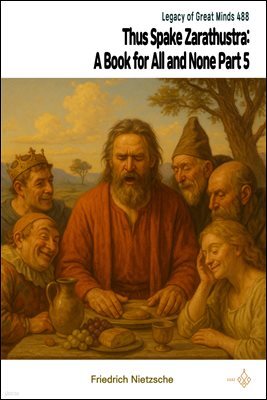
Zarathustra encounters noble individuals who represent the complexity of humanity.
Figures like kings, jesters, magicians, beggars, and the ugliest man appear.
Through dialogue with them, he explores inner conflict and potential.
“Noon-tide” marks a climax where all values temporarily suspend.
The supper?a mix of feast, dance, sorrow, and insight?is a hymn to existence.
Themes of science, womanhood, animals, and the desolate self emerge.
In the end, Zarathustra sings a drunken song, signaling a new beginning.
This final part symbolizes both the end of solitude and the start of renewed life.
Figures like kings, jesters, magicians, beggars, and the ugliest man appear.
Through dialogue with them, he explores inner conflict and potential.
“Noon-tide” marks a climax where all values temporarily suspend.
The supper?a mix of feast, dance, sorrow, and insight?is a hymn to existence.
Themes of science, womanhood, animals, and the desolate self emerge.
In the end, Zarathustra sings a drunken song, signaling a new beginning.
This final part symbolizes both the end of solitude and the start of renewed life.
전체 리뷰 (0)
최근 작성 순