- 리뷰
- 리스트
- 구매
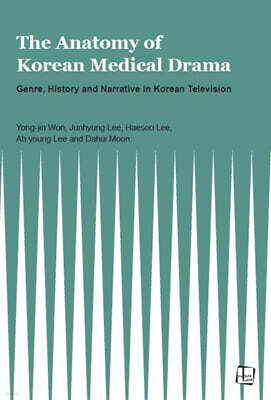
The Anatomy of Korean Medical Drama
- 글쓴이
- Yong-jin Won 외 4명
- 출판사
- 컬처룩
- 출판일
- 2025년 10월 30일
읽고있어요
다 읽었어요
읽고싶어요
저자

Yong-jin Won
Yong-jin Won is a professor emeritus in the Department of Media Studies, Sogang University, South Korea. He is the author of Paradigms in the Studies on Popular Culture, Principles for the Criticism of Broadcasting. He is coauthor of Producer Journalism in Korea, the Formation of Popular Culture in America. He is currently working for a non-profit community radio in the southern region of Korea.
책 소개
분야사회 정치
한국 사회의 질병ㆍ의료 담론을
메디컬 드라마를 통해 해부하다
Anatomizing Illness and Medical Discourse
in Korean Society Through Medical Dramas
지금 한국의 시청자들은 텔레비전이 정교하게 구축한 메디컬 드라마의 세계 안에서 질병과 생명, 그리고 의료 시스템에 대한 인식을 형성하고 있다. 드라마 속 병원이라는 공간은 단순히 극적 재미를 위한 배경을 넘어, 우리가 질병을 대하는 태도와 삶의 가치를 투영하는 거울이 되었다. 텔레비전 메디컬 드라마는 이제 단순한 오락 콘텐츠가 아니라, 한국인의 의료적 일상과 윤리적 관습을 규정하는 중요한 미디어 환경이 된 것이다. The Anatomy of Korean Medical Drama는 한국 사회 내 메디컬 드라마의 성장과 그 이면에 숨겨진 사회적 의미를 다층적으로 파헤친다.
이 책은 세 가지 차원에서 메디컬 드라마에 관한 비판적 담론을 제시한다.
첫째, 메디컬 드라마의 장르적 위상에 걸맞은 ‘담론의 공적 확장’이 필요하다. 대중적 파급력에 비해 그간 메디컬 드라마를 향한 학술적 응시는 파편적이고 빈약했다. 이 책은 의료와 질병이라는 공적 의제가 드라마라는 틀 안에서 사유화(privatization)되는 양상을 경계하며, 메디컬 드라마가 지닌 사회적 의의를 본격적인 공론장으로 끌어올리고자 한다.
둘째, 메디컬 드라마가 의료인의 시선에 함몰된 ‘장르적 관습’을 넘어 ‘환자 중심의 공적 담론’에 더 주목해야 한다. 그간의 드라마들이 병원 내 권력 투쟁이나 의료 기술의 전시 등 자극적 흥미에 매몰되는 동안, 정작 대중이 갈망하는 ‘친근하고 공적인 의료 공간’에 대한 담론은 소외되어 왔다. 한국 의료 시스템의 선진화에도 불구하고 대중의 평가가 냉담한 원인을 분석하며, 의료진 간의 갈등이라는 낡은 서사에서 벗어나 의료 시스템이 우리 일상의 안전망으로 기능하는 공적 담론을 회복할 것을 주문한다.
셋째, 메디컬 드라마의 서사 뒤에 숨은 ‘젠더화된 의료 담론’의 모순을 보아야 한다. 메디컬 드라마는 첨단 의학을 다루는 현대적인 장르임에도 불구하고, 치유와 돌봄의 서사에서는 여전히 완고한 가부장적 젠더 질서를 답습하고 있다. 질병의 고통을 감내하고 가족의 행복을 재건하는 책무가 오롯이 여성 캐릭터에게 전가되는 현실은 메디컬 드라마가 해결해야 할 핵심적 과제다. 이 책은 전통적인 가족관에 머물러 있는 기존의 서사 구조에 균열을 내고, 시대의 변화에 부합하는 새로운 서사적 도전을 촉구한다.
뉴스, 교양, 정보 프로그램, 드라마에 질병 담론이 넘쳐나고 있다. 그러나 넘쳐나는 담론 속에 과연 우리 건강에 도움이 되는 담론은 많지 않았다는 것이 이 책의 잠정적 결론이다. 학술적 담론이 대중적 담론을 좀 더 건강하게 할 수 있다면 당연히 망설이지 말고 메디컬 담론의 치료와 치유로 향해야 한다. 이 책의 출판이 그 시작이기를 희망한다.
Today, Korean audiences are shaping their perceptions of illness, life, and the healthcare system through the meticulously constructed world of television medical dramas. In these shows, the hospital setting has transcended its role as a mere backdrop for entertainment; it has become a mirror reflecting societal attitudes toward illness and the inherent value of life. No longer just entertainment content, medical dramas have become a crucial media environment that defines the medical routines and ethical practices of Koreans. The Anatomy of Korean Medical Drama delves into the evolution of this genre within Korean society and uncovers the multifaceted social meanings hidden beneath the surface.
This book presents a critical discourse on medical dramas across three dimensions: First, a "public expansion of discourse" is necessary to match the genre's influence. Despite their massive popularity, academic attention to medical dramas has remained fragmented. This book cautions against the "privatization" of public issues-such as healthcare and disease-within the drama format, aiming instead to elevate the social significance of these narratives into a substantive public forum.
Second, medical dramas must shift from "genre conventions" centered on medical professionals toward "patient-centered public discourse”. While past dramas have often focused on sensationalism-such as hospital power struggles or displays of advanced medical technology-discourse on the "accessible and public medical space" that the public truly craves has been marginalized. Analyzing why public sentiment remains lukewarm despite Korea’s advanced medical system, this book calls for moving beyond tired narratives of internal staff conflict to restore a discourse that positions the medical system as a vital safety net in daily life.
Third, we must recognize the contradictions of "gendered medical discourse" embedded in these narratives. Despite being a modern genre dealing with cutting-edge medicine, medical dramas often replicate rigid patriarchal gender norms in their stories of healing and care. The reality where the burden of enduring illness and rebuilding family happiness falls primarily on female characters is a core challenge that must be addressed. This book urges a break from narrative structures rooted in traditional family values, embracing new storytelling challenges that align with changing times.
Disease discourse currently floods our news, infortainment programs, and dramas. Yet, this book tentatively concludes that amidst this deluge, very little of it truly benefits our collective health. If academic discourse can foster a healthier popular discourse, we must unhesitatingly pursue the "treatment and healing" of medical discourse itself. This publication marks the beginning of that journey.
전체 리뷰 (0)
최근 작성 순