- 리뷰
- 리스트
- 구매
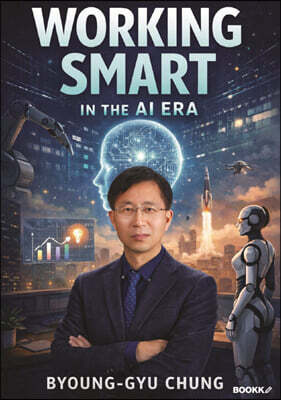
Working Smart in the AI Era
- 글쓴이
- 정병규 저
- 출판사
- BOOKK(부크크)
- 출판일
- 2026년 1월 30일
읽고있어요
다 읽었어요
읽고싶어요
저자

정병규
저자는 주경야독으로 박사학위를 취득했다. 제한된 시간과 에너지 속에서도 논문을 끝까지 완성해야 하는 과정을 직접 경험했다. 이 경험은 이후의 연구와 교육, 그리고 이 책의 출발점이 되었다. 연세대학교를 졸업한 후 동 대학원에서 행정학 석사와 경영학 석사 학위를 각각 취득하였다. 이후 오랜 시간이 지난 후 주경야독으로 호서대학교 벤처대학원에서 4차 산업 관련 분야 연구로 박사학위를 취득했다. 현재는 성결대학교 경영학과 교수로 재직중이며, 대학 및 대학원 강의와 함께 주경야독하는 박사과정생을 대상으로 논문 세미나 및 논문 컨설팅을 진행하고 있다. 일반 직원으로 사회생활을 시작해 CEO에 이르기까지 25년 이상 직장 생활을 했다. 직장에 다니면서 경영지도사 자격증을 취득했다. 또한 경영 빅데이터 분석사를 비롯한 다수의 데이터 분석 관련 전문 자격을 취득했다. 연구자로서는 최근 5년간 60편 이상의 학술논문을 학술지에 게재했다. 이 과정에서 학회 최우수논문상과 학술논문으로는 매우 이례적으로 중소벤처기업부 장관상을 수상했다. 또한 등재지인 한국벤처혁신학회 학술지(벤처혁신연구) 창간 초기부터 현재까지 편집위원회 부위원장으로 활동하고 있다. 수많은 논문을 심사 및 편집하면서 논문이 실제로 어떤 이유로 통과되고 어떤 지점에서 탈락하는지를 편집자의 시선에서 지속적으로 고민해 오고 있다.
책 소개
분야자기계발
College students today are preparing for a world in which work is changing faster than at any other time in recent history. Artificial intelligence can analyze data, write reports, generate designs, and even act autonomously in digital and physical environments. Tasks that once required significant time and effort can now be completed almost instantly.
At first glance, this may seem to reduce the importance of human effort. If machines can execute so efficiently, what role is left for people?
This book begins with a different question.
When execution becomes easier, thinking becomes more important.
When tasks are automated, judgment becomes the real challenge.
In the era of agentic AI?systems that can plan, decide, and act on their own?and physical AI that operates in the real world, work is no longer defined by how much we do. It is defined by how well we decide what should be done. The central role of humans is shifting from execution to direction, from doing tasks to designing action.
This book is not a technical guide to artificial intelligence. It does not teach programming, prompt engineering, or specific tools. Technology changes too quickly for that approach to remain useful for long. Instead, this book focuses on what changes more slowly?and what matters more deeply: how to think, how to structure work, and how to take responsibility for outcomes.
Working smart is often misunderstood as finding shortcuts or doing less. In this book, working smart means something very different. It means defining the right problem before solving it. It means making decisions before optimizing processes. It means understanding consequences before delegating tasks to other people or to machines.
Throughout this book, you will encounter thinking frameworks, execution structures, and professional mindsets that help you work effectively in complex and uncertain environments. These are not abstract theories. They are practical ways of organizing attention, judgment, and action. They help you move from reacting to tasks toward intentionally shaping your work.
Only in the later part of the book does AI appear as a collaborator. By then, the focus is not on what AI can do, but on how humans should work with it responsibly, critically, and purposefully. AI is introduced not as a replacement for thinking, but as a partner that amplifies good thinking when it already exists.
The goal of this book is simple, but demanding: to help you develop a way of working that remains valuable even as technologies change. Tools will evolve. Systems will improve. Expectations will rise. But the ability to think clearly, act deliberately, and take ownership of decisions will always define what it means to work smart.
As you read this book, you will not find guaranteed formulas or universal answers. What you will find is a way of approaching work?one that prepares you to face uncertainty with clarity rather than anxiety.
At first glance, this may seem to reduce the importance of human effort. If machines can execute so efficiently, what role is left for people?
This book begins with a different question.
When execution becomes easier, thinking becomes more important.
When tasks are automated, judgment becomes the real challenge.
In the era of agentic AI?systems that can plan, decide, and act on their own?and physical AI that operates in the real world, work is no longer defined by how much we do. It is defined by how well we decide what should be done. The central role of humans is shifting from execution to direction, from doing tasks to designing action.
This book is not a technical guide to artificial intelligence. It does not teach programming, prompt engineering, or specific tools. Technology changes too quickly for that approach to remain useful for long. Instead, this book focuses on what changes more slowly?and what matters more deeply: how to think, how to structure work, and how to take responsibility for outcomes.
Working smart is often misunderstood as finding shortcuts or doing less. In this book, working smart means something very different. It means defining the right problem before solving it. It means making decisions before optimizing processes. It means understanding consequences before delegating tasks to other people or to machines.
Throughout this book, you will encounter thinking frameworks, execution structures, and professional mindsets that help you work effectively in complex and uncertain environments. These are not abstract theories. They are practical ways of organizing attention, judgment, and action. They help you move from reacting to tasks toward intentionally shaping your work.
Only in the later part of the book does AI appear as a collaborator. By then, the focus is not on what AI can do, but on how humans should work with it responsibly, critically, and purposefully. AI is introduced not as a replacement for thinking, but as a partner that amplifies good thinking when it already exists.
The goal of this book is simple, but demanding: to help you develop a way of working that remains valuable even as technologies change. Tools will evolve. Systems will improve. Expectations will rise. But the ability to think clearly, act deliberately, and take ownership of decisions will always define what it means to work smart.
As you read this book, you will not find guaranteed formulas or universal answers. What you will find is a way of approaching work?one that prepares you to face uncertainty with clarity rather than anxiety.
전체 리뷰 (0)
최근 작성 순