- 리뷰
- 리스트
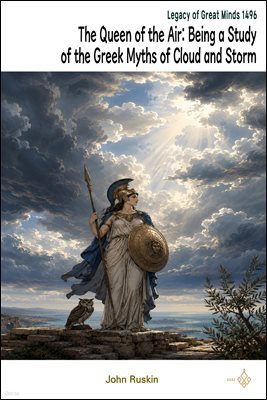
[eBook] The Queen of the Air: Being a Study of the Greek Myths of Cloud and Storm
- 글쓴이
- John Ruskin 저
- 출판사
- 수아르
- 출판일
- 2026년 6월 17일
읽고있어요
다 읽었어요
읽고싶어요
책 소개
분야소설
John Ruskin’s The Queen of the Air interprets the Greek myths of cloud and storm through the figure of Athena, presenting mythology not as mere ancient storytelling but as a symbolic way of understanding nature and the human spirit, while describing Athena as the goddess of wisdom and as a power connected with air, light, wind, order, and moral intelligence. Ruskin connects myth with science, art with ethics, and nature with inward life, showing how ancient people found spiritual meaning in natural phenomena and emphasizing that Greek mythology still carries lasting significance for human imagination and moral thought, ultimately using the myth of Athena to reflect on the beauty of skies and storms as well as wisdom, purity of spirit, and the direction of a rightly ordered life.
전체 리뷰 (0)
최근 작성 순