- 리뷰
- 리스트
[eBook] Mornings in Florence
- 글쓴이
- John Ruskin 저
- 출판사
- 수아르
- 출판일
- 2026년 6월 17일
읽고있어요
다 읽었어요
읽고싶어요
책 소개
분야소설
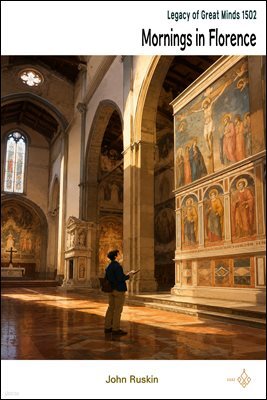
John Ruskin’s Mornings in Florence is not a broad ordinary travelogue of the whole city but a compact guide to Christian art for English travellers, leading readers through Florentine churches and artworks, especially Santa Croce, Santa Maria Novella, and the world of Giotto, in order to uncover the spiritual depth and moral beauty of medieval art. Ruskin writes as though the reader were walking through Florence in the morning, entering churches and looking closely at paintings and architecture, while asking them to see not only line, color, and composition but also humility, purity, faith, and human truth within the works. Giotto is presented as an artist whose power lies not in decorative brilliance alone but in a deeper sincerity and vitality, and Ruskin uses his art to show that true art reveals the order of the spirit and the character of life as much as technical skill. In this sense, Mornings in Florence is both a guide to Florence and a reflective training in how to see medieval art, showing how old frescoes and sacred buildings can connect beauty, faith, and the inner life of humanity.
전체 리뷰 (0)
최근 작성 순