- 리뷰
- 리스트
- 구매
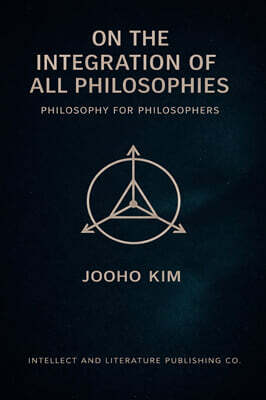
On the Integration of All Philosophies
- 글쓴이
- 김주호 저
- 출판사
- 자유정신사
- 출판일
- 2026년 9월 30일
읽고있어요
다 읽었어요
읽고싶어요
저자

김주호
김주호는 인류 철학을 통합적 관점에서 재해석하고 대중화에 힘쓰는 인문철학자이자 자기성찰적 작가로, "통합사유철학"이라는 독자적인 철학적 접근법을 제안·개척하고 있다. 그의 저술은 인간 존재의 근본적 질문-즉, 우리가 누구이며 어떻게 살아야 하는지-에 대해 탐구하며, 이를 통해 진정한 행복과 자아실현의 길을 모색하도록 독자들을 이끈다.
1. 철학적 체계 구축과 통합사유철학
김주호는 "통합사유철학"이라는 독자적 철학 체계를 제안하며, 2,500년 인류 철학을 3차원 좌표계로 재구성했다. "존재", "의지", "인식"을 기본축으로 삼고, 이들의 반대 개념인 "반존재", "반의지", "반인식"을 도입해 사유의 구조를 입체적으로 분석한다. 이를 통해 플라톤부터 니체까지 다양한 철학 사상을 통합적으로 조명하며, 철학을 "소수의 전문가 영역"에서 "일상적 사유 도구"로 전환하려는 혁신적 시도를 이끌었다.
2. 교육자로서의 활동
그는 철학의 대중화에 주력했다. 다양한 교육 공간에서 《통합사유철학강의》를 진행하며, 인류 사유의 역사를 8개의 공간(예: 사유 표출 공간, 니힐리즘 공간)으로 분류하고, 이를 통해 삶의 방향성을 탐구하는 강의를 펼쳤다. 또한 《고전인문철학수업》 강의에서 《이솝우화》《어린 왕자》《데미안》《국가》《장자》등 문학 작품과 철학을 접목해 인문철학 교육의 접근성을 높였다.
3. 주요 저술 활동
그의 작품 대부분은 인간 존재의 근본적 요소들을 재해석하고, 보다 깊은 자아실현과 행복을 위한 길을 제시하고 있다.
《통합사유철학강의》: 인류 철학을 체계화한 대표작으로, 2014년 초판 출간 이후 널리 보급되었다.
《즐거운 여름밤 서늘한 바람이 알려주는 것들》: 실존적 치유와 자아 성찰을 주제로 한 인문서로, 삶의 허무함을 겪는 독자들에게 희망을 전달한다.
《행복 따위 필요 없다》: 행복을 "삶의 유일한 목표"에서 "부차적 결과"로 격하시킨다.
4. 학문적 비전
그는 철학을 통합적 "삶의 지도"로 재정의하며, "자유 정신적 평등"을 강조한다. 예를 들어, 《통합사유철학강의》에서 "인간의 회복은 자유와 평등한 사유에서 시작된다"고 주장하며, 개인의 자율적 사유를 통한 사회적 치유를 제시한다. 또한 디지털 시대의 교육 혁신을 위해 다양한 기술적 도구와 플랫폼을 활용해 철학 학습의 접근성을 높였다.
· 통합사유철학:
김주호 작가는 인간의 삶을 "존재, 의지, 인식"의 세 가지 축으로 이해하며, 이 세 가지가 조화를 이룰 때 비로소 진정한 행복과 진리가 실현될 수 있다고 본다. 그의 저서들은 이러한 철학적 틀을 바탕으로, 개인이 자신의 내면을 성찰하고 지속적인 연습을 통해 행복에 이르는 방법을 구체적으로 제시한다.
· 실천과 연습의 가치:
그의 저술은 단순한 이론 전달을 넘어서, 행복은 하루아침에 도달하는 것이 아니라 끊임없는 자기 개선과 실천을 통해 서서히 이루어진다는 점을 강조한다. "진리의서" 시리즈에서는 올바른 삶의 자세와 자기 성찰이 어떻게 개인을 변화시키고 내면의 진리를 체득하는지에 대한 구체적인 지침을 제공한다.
· 자기성찰적 접근:
김주호 작가는 잘못된 교육이나 사회가 정해놓은 틀에 갇힌 기존의 인식들을 비판하고, 독자들이 스스로의 경험과 감정을 통해 새로운 진리를 발견할 수 있도록 격려한다. 이를 통해 그는 독자들에게 단순히 행복을 기다리는 수동적인 태도가 아니라, 적극적으로 자신을 재발견하는 과정을 권유합니다.
5. 평가와 영향력
김주호의 작업은 단순한 학문적 연구를 넘어 실천적 철학으로 평가 받는다. 그의 통합적 접근법은 복잡한 철학 개념을 직관적으로 이해할 수 있게 하며, 독자로 하여금 "나는 누구인가?"라는 근본적 질문을 새롭게 탐구하도록 유도한다. 특히 "8개 사유 공간" 이론은 개인의 정신적 혼란을 체계적으로 해석하는 도구로 활용되며, 철학의 실용적 가치를 입증했다. 종합하면, 김주호는 철학을 학문의 경계에서 끌어내어 일상 속 실천으로 연결한 선구자이다. 그의 작업은 인문학의 대중화와 현대 사회의 정신적 회복에 기여하며, 철학적 사유가 지닌 힘을 재발견하게 한다. 김주호 작가의 저술은 단순히 철학적 사유에 머무르지 않고, 우리 각자가 일상 속에서 겪는 불안, 고독, 그리고 혼란을 극복하고 진정한 자아를 회복할 수 있는 실질적인 방법을 제공하는 데 그 의의가 있다. 그의 글은 철학적 깊이와 동시에 따뜻한 위로와 실천적 지침을 함께 담고 있어, 독자들로 하여금 스스로의 삶을 다시 한 번 돌아보고 개선할 수 있는 동기를 부여한다. 김주호는 인문철학과 자기계발의 경계를 넘나들며, 삶의 본질을 탐구하고자 하는 독자들에게 깊은 성찰과 실천적 지혜를 선사하는 작가로 평가받고 있다.
1. 철학적 체계 구축과 통합사유철학
김주호는 "통합사유철학"이라는 독자적 철학 체계를 제안하며, 2,500년 인류 철학을 3차원 좌표계로 재구성했다. "존재", "의지", "인식"을 기본축으로 삼고, 이들의 반대 개념인 "반존재", "반의지", "반인식"을 도입해 사유의 구조를 입체적으로 분석한다. 이를 통해 플라톤부터 니체까지 다양한 철학 사상을 통합적으로 조명하며, 철학을 "소수의 전문가 영역"에서 "일상적 사유 도구"로 전환하려는 혁신적 시도를 이끌었다.
2. 교육자로서의 활동
그는 철학의 대중화에 주력했다. 다양한 교육 공간에서 《통합사유철학강의》를 진행하며, 인류 사유의 역사를 8개의 공간(예: 사유 표출 공간, 니힐리즘 공간)으로 분류하고, 이를 통해 삶의 방향성을 탐구하는 강의를 펼쳤다. 또한 《고전인문철학수업》 강의에서 《이솝우화》《어린 왕자》《데미안》《국가》《장자》등 문학 작품과 철학을 접목해 인문철학 교육의 접근성을 높였다.
3. 주요 저술 활동
그의 작품 대부분은 인간 존재의 근본적 요소들을 재해석하고, 보다 깊은 자아실현과 행복을 위한 길을 제시하고 있다.
《통합사유철학강의》: 인류 철학을 체계화한 대표작으로, 2014년 초판 출간 이후 널리 보급되었다.
《즐거운 여름밤 서늘한 바람이 알려주는 것들》: 실존적 치유와 자아 성찰을 주제로 한 인문서로, 삶의 허무함을 겪는 독자들에게 희망을 전달한다.
《행복 따위 필요 없다》: 행복을 "삶의 유일한 목표"에서 "부차적 결과"로 격하시킨다.
4. 학문적 비전
그는 철학을 통합적 "삶의 지도"로 재정의하며, "자유 정신적 평등"을 강조한다. 예를 들어, 《통합사유철학강의》에서 "인간의 회복은 자유와 평등한 사유에서 시작된다"고 주장하며, 개인의 자율적 사유를 통한 사회적 치유를 제시한다. 또한 디지털 시대의 교육 혁신을 위해 다양한 기술적 도구와 플랫폼을 활용해 철학 학습의 접근성을 높였다.
· 통합사유철학:
김주호 작가는 인간의 삶을 "존재, 의지, 인식"의 세 가지 축으로 이해하며, 이 세 가지가 조화를 이룰 때 비로소 진정한 행복과 진리가 실현될 수 있다고 본다. 그의 저서들은 이러한 철학적 틀을 바탕으로, 개인이 자신의 내면을 성찰하고 지속적인 연습을 통해 행복에 이르는 방법을 구체적으로 제시한다.
· 실천과 연습의 가치:
그의 저술은 단순한 이론 전달을 넘어서, 행복은 하루아침에 도달하는 것이 아니라 끊임없는 자기 개선과 실천을 통해 서서히 이루어진다는 점을 강조한다. "진리의서" 시리즈에서는 올바른 삶의 자세와 자기 성찰이 어떻게 개인을 변화시키고 내면의 진리를 체득하는지에 대한 구체적인 지침을 제공한다.
· 자기성찰적 접근:
김주호 작가는 잘못된 교육이나 사회가 정해놓은 틀에 갇힌 기존의 인식들을 비판하고, 독자들이 스스로의 경험과 감정을 통해 새로운 진리를 발견할 수 있도록 격려한다. 이를 통해 그는 독자들에게 단순히 행복을 기다리는 수동적인 태도가 아니라, 적극적으로 자신을 재발견하는 과정을 권유합니다.
5. 평가와 영향력
김주호의 작업은 단순한 학문적 연구를 넘어 실천적 철학으로 평가 받는다. 그의 통합적 접근법은 복잡한 철학 개념을 직관적으로 이해할 수 있게 하며, 독자로 하여금 "나는 누구인가?"라는 근본적 질문을 새롭게 탐구하도록 유도한다. 특히 "8개 사유 공간" 이론은 개인의 정신적 혼란을 체계적으로 해석하는 도구로 활용되며, 철학의 실용적 가치를 입증했다. 종합하면, 김주호는 철학을 학문의 경계에서 끌어내어 일상 속 실천으로 연결한 선구자이다. 그의 작업은 인문학의 대중화와 현대 사회의 정신적 회복에 기여하며, 철학적 사유가 지닌 힘을 재발견하게 한다. 김주호 작가의 저술은 단순히 철학적 사유에 머무르지 않고, 우리 각자가 일상 속에서 겪는 불안, 고독, 그리고 혼란을 극복하고 진정한 자아를 회복할 수 있는 실질적인 방법을 제공하는 데 그 의의가 있다. 그의 글은 철학적 깊이와 동시에 따뜻한 위로와 실천적 지침을 함께 담고 있어, 독자들로 하여금 스스로의 삶을 다시 한 번 돌아보고 개선할 수 있는 동기를 부여한다. 김주호는 인문철학과 자기계발의 경계를 넘나들며, 삶의 본질을 탐구하고자 하는 독자들에게 깊은 성찰과 실천적 지혜를 선사하는 작가로 평가받고 있다.
책 소개
분야인문
On the Integration of All Philosophies - Philosophy for Philosophers
What if philosophy has never been fragmented?only misread as fragmented?
For more than 2,500 years, philosophy has unfolded as a vast constellation of schools, doctrines, and disputes. Existentialism and Buddhism, Rationalism and Empiricism, Stoicism and Psychoanalysis, Analytic Logic and Postmodern Deconstruction?each appears to speak a different language, often denying the validity of the others. This book begins with a simple but radical question: What if all philosophies are not competitors, but coordinates within a single integrated structure of thought?
On the Integration of All Philosophies presents a systematic framework that reorganizes thirty-two major philosophical traditions into Eight Integrated Philosophical Thought-Spaces, structured along three fundamental axes: Existence and Anti-Existence, Will and Anti-Will, Cognition and Anti-Cognition. Within this spatial architecture, philosophical conflicts are no longer contradictions to be eliminated, but differences of location to be understood.
Rather than arguing for one “true” philosophy, this work demonstrates how truth itself is distributed. Each philosophical tradition reveals truth from a particular structural position, and only through integration does the total form of truth emerge. From Nietzsche’s will to truth, to Zhuangzi’s playful Dao (道); from Lucretius’ cosmic nature, to N?g?rjuna’s radical emptiness, the book traces how seemingly incompatible insights belong to a single, coherent intellectual landscape.
This is not an introductory survey, nor a defense of eclecticism. It is a work written for philosophers?for readers who have already wrestled with ideas, endured doubt and contradiction, and now seek orientation rather than accumulation. It offers a way to understand freedom, tranquility, happiness, truth, time, God, the soul, and even artificial intellect?not as isolated problems, but as structurally related questions within an integrated philosophical space.
In an era where knowledge is abundant but meaning is scarce, this book proposes that philosophy’s true task is not endless division, but integration. Not synthesis by compromise, but coherence by structure. Philosophy, here, is not a battlefield of ideas?but a map.
I wish to return philosophy to everyone.
Not as the exclusive possession of brilliant intellectuals, but as something already alive in the lives of those who till the soil beneath the blazing sun, in the days of laborers who sustain cities without rest, and in the hearts of children whose eyes still reflect unclouded purity.
The world continues to fall into conflict because we believe ourselves to be different. Yet if Integrated Philosophy can lead us?even once?to reflect upon the fact that we exist within a single value, a single philosophy, and a single truth, then this book has already fulfilled its purpose and its worth.
What if philosophy has never been fragmented?only misread as fragmented?
For more than 2,500 years, philosophy has unfolded as a vast constellation of schools, doctrines, and disputes. Existentialism and Buddhism, Rationalism and Empiricism, Stoicism and Psychoanalysis, Analytic Logic and Postmodern Deconstruction?each appears to speak a different language, often denying the validity of the others. This book begins with a simple but radical question: What if all philosophies are not competitors, but coordinates within a single integrated structure of thought?
On the Integration of All Philosophies presents a systematic framework that reorganizes thirty-two major philosophical traditions into Eight Integrated Philosophical Thought-Spaces, structured along three fundamental axes: Existence and Anti-Existence, Will and Anti-Will, Cognition and Anti-Cognition. Within this spatial architecture, philosophical conflicts are no longer contradictions to be eliminated, but differences of location to be understood.
Rather than arguing for one “true” philosophy, this work demonstrates how truth itself is distributed. Each philosophical tradition reveals truth from a particular structural position, and only through integration does the total form of truth emerge. From Nietzsche’s will to truth, to Zhuangzi’s playful Dao (道); from Lucretius’ cosmic nature, to N?g?rjuna’s radical emptiness, the book traces how seemingly incompatible insights belong to a single, coherent intellectual landscape.
This is not an introductory survey, nor a defense of eclecticism. It is a work written for philosophers?for readers who have already wrestled with ideas, endured doubt and contradiction, and now seek orientation rather than accumulation. It offers a way to understand freedom, tranquility, happiness, truth, time, God, the soul, and even artificial intellect?not as isolated problems, but as structurally related questions within an integrated philosophical space.
In an era where knowledge is abundant but meaning is scarce, this book proposes that philosophy’s true task is not endless division, but integration. Not synthesis by compromise, but coherence by structure. Philosophy, here, is not a battlefield of ideas?but a map.
I wish to return philosophy to everyone.
Not as the exclusive possession of brilliant intellectuals, but as something already alive in the lives of those who till the soil beneath the blazing sun, in the days of laborers who sustain cities without rest, and in the hearts of children whose eyes still reflect unclouded purity.
The world continues to fall into conflict because we believe ourselves to be different. Yet if Integrated Philosophy can lead us?even once?to reflect upon the fact that we exist within a single value, a single philosophy, and a single truth, then this book has already fulfilled its purpose and its worth.
전체 리뷰 (0)
최근 작성 순