- 리뷰
- 리스트
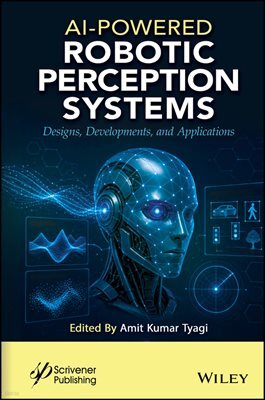
[eBook] AI-Powered Robotic Perception Systems
- 글쓴이
- 저
- 출판사
- Wiley-Scrivener
- 출판일
- 2026년 9월 22일
읽고있어요
다 읽었어요
읽고싶어요
책 소개
분야대학교재/전문서적
Bridging essential theoretical foundations with practical blueprints for real-world execution, this comprehensive guide presents the frameworks needed to build the next generation of intelligent, AI-driven healthcare robots. Artificial intelligence has revolutionized how robots perceive and understand the world around them. The rapid evolution of technology has revolutionized the field of medicine, and nowhere is this more evident than in the integration of robots into modern healthcare systems. This book discusses the core principles and transformative potential of AI-powered perception systems in robotics. It explores how modern robots leverage AI technologies to recognize objects, navigate environments, and make autonomous decisions. By addressing both theoretical foundations and cutting-edge advancements, the book highlights how AI enhances a robot’s ability to interpret complex sensory inputs and perform tasks with higher intelligence and adaptability. This book provides a detailed roadmap for building such systems, covering the integration of perception hardware with AI models for real-time scene understanding. It discusses key architectural elements, such as data processing pipelines, training datasets, and embedded intelligence. Developers, researchers, and engineers can benefit from in-depth discussions on software frameworks, neural network training methods, and simulation tools used in robotic vision applications. By bridging theory with practice, the book serves as a comprehensive guide for advancing intelligent robotic systems for the future. Readers will find the volume: Explores how artificial intelligence is integrated with robotic perception to enable autonomous decision-making; Focuses on how robots perceive, interpret, and interact with their environment in real-time using sensors and AI models; Provides a comprehensive view of designing and developing perception systems in robotics; Highlights various industrial and societal applications, such as autonomous vehicles, smart manufacturing, service robotics, healthcare robots, and disaster response; Introduces future directions for surgical robots as an example, including the potential of artificial intelligence, augmented reality, and haptic feedback. Audience Engineers, researchers, students, industry professionals, and healthcare executives interested in robotics and the manufacturing industry.
전체 리뷰 (0)
최근 작성 순