- 리뷰
- 리스트
[eBook] The New Jerusalem
- 글쓴이
- G. K. Chesterton 저
- 출판사
- 문학일독
- 출판일
- 2026년 10월 30일
읽고있어요
다 읽었어요
읽고싶어요
책 소개
분야소설
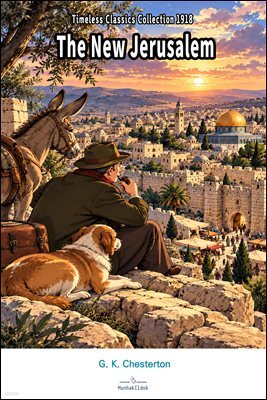
The New Jerusalem by G. K. Chesterton, published in 1920, is a philosophical travelogue that follows the author's journey from England to Jerusalem during the Christmas season, exploring the contrasts between Eastern and Western civilizations while reflecting on history, religion, and the nature of human society. Beginning with the symbolic contrast between a dog and a donkey as representations of Western and Eastern cultures, Chesterton examines the landscapes, people, and religious traditions he encounters, offering reflections on capitalism, labor, democracy, the Crusades, and Zionism while questioning the spiritual direction of modern civilization and searching for a deeper understanding of faith, humanity, and the future of civilization in the historic city of Jerusalem.
전체 리뷰 (0)
최근 작성 순