- 리뷰
- 리스트
[eBook] Alarms and Discursions Part 1
- 글쓴이
- G. K. Chesterton 저
- 출판사
- 문학일독
- 출판일
- 2026년 10월 30일
읽고있어요
다 읽었어요
읽고싶어요
책 소개
분야소설
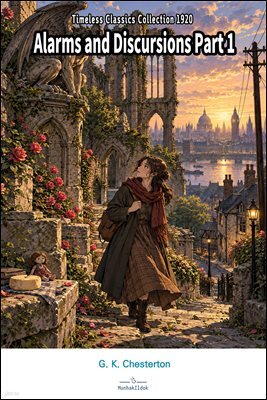
Chesterton begins with a strange gargoyle discovered near an abandoned abbey, reflecting on the relationship between beauty and ugliness and suggesting that neither art nor human existence can be understood through perfection and order alone. Turning to ordinary things such as London streets, telegraph poles, dolls, newspapers, cheese, and roses, he uncovers unexpected meanings while challenging a modern society increasingly absorbed in efficiency and rationalism at the expense of imagination and wonder. Through imaginative observations on cities and nature, art and civilization, aristocrats and ordinary people, he transforms familiar experiences into philosophical discoveries, suggesting that the richness of life lies in recognizing beauty and significance even within its imperfections.
전체 리뷰 (0)
최근 작성 순