- 리뷰
- 리스트
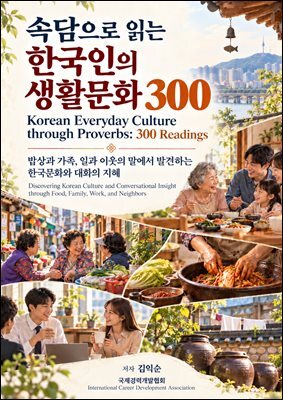
[eBook] 속담으로 읽는 한국인의 생활문화 300_Korean Everyday Culture through Proverbs: 300 Readings
- 글쓴이
- 김익순 저
- 출판사
- 국제경력개발협회
- 출판일
- 2026년 10월 27일
읽고있어요
다 읽었어요
읽고싶어요
책 소개
분야풍속/문화이야기
『속담으로 읽는 한국인의 생활문화 300』은 짧은 옛말에 담긴 생활 장면을 살피고, 그 말을 오늘의 대화에서 어떻게 이해하고 사용할지 안내하는 한영 생활문화 교양서입니다. 밥과 떡, 바늘과 호미, 이웃과 가족, 동물과 계절이 어떻게 마음과 관계를 설명하는 비유가 되었는지 읽어 갑니다. 뜻을 아는 데서 나아가 누구에게, 어떤 상황에서, 어떻게 말할지 함께 생각합니다.
15부·30장·300개 토픽은 말과 소문, 이웃과 공동체, 가족의 애정과 갈등에서 출발합니다. 음식·의복·주거·생활도구, 농사와 절기, 동물의 비유를 거쳐 돈과 노동, 배움과 경험, 겉모습과 속마음, 위험과 후회, 운과 시간을 살핍니다. 마지막에는 체면·편견·권력에 관한 표현을 오늘의 관점에서 다시 읽습니다.
각 토픽은 핵심 뜻, 문자적 장면과 어휘, 생활문화, 현대 대화, 사용상의 주의점, 관련 표현과의 비교, 확인 활동과 해설, 한 문장 정리, 참고 자료로 구성됩니다. 한국어 설명 바로 뒤에 영어 대응문을 두어 의미와 맥락을 비교할 수 있도록 했습니다. 대화와 활동은 수업과 자율 학습에 활용할 수 있습니다.
‘가는 말이 고와야 오는 말이 곱다’는 존중하는 말투의 가치를 전하지만, 친절한 말이 언제나 친절한 답을 보장하지는 않습니다. ‘부뚜막의 소금도 집어넣어야 짜다’와 ‘구슬이 서 말이라도 꿰어야 보배’는 가진 것을 실제로 활용하는 일의 중요성을 보여 줍니다. ‘콩 심은 데 콩 나고 팥 심은 데 팥 난다’로 원인과 결과를 살피되, 모든 결과를 개인의 책임으로 단정하지 않습니다. ‘아는 길도 물어 가라’는 익숙한 일에서도 확인이 필요함을 생각하게 합니다.
오래 전해진 표현이라고 모두 따라야 하는 것은 아닙니다. ‘열 번 찍어 안 넘어가는 나무 없다’의 끈기를 다른 사람의 거절을 무시하는 구실로 삼아서는 안 됩니다. ‘암탉이 울면 집안이 망한다’와 ‘여자 셋이 모이면 접시가 깨진다’는 여성의 목소리를 낮추는 편견을 담은 표현으로 비판적으로 읽습니다. 어려운 처지에 있는 사람을 탓하거나 폭력을 정당화하는 사용도 경계합니다. 뜻을 이해하는 것과 그 말을 직접 사용하는 것은 서로 다른 판단입니다.
이 책은 한국어 학습자와 교육자, 익숙한 말을 돌아보려는 일반 독자를 위한 읽기 자료입니다. 처음부터 읽거나 관심 있는 소재를 골라 표현을 비교할 수 있습니다. 속담으로 한국인의 성격을 단정하기보다, 생활의 다양성과 관계의 맥락을 살피며 더 세심한 말을 선택하도록 돕습니다.
Korean Everyday Culture through Proverbs: 300 Readings explores the everyday scenes behind traditional sayings and their meaning and use in conversation today. Rice and rice cakes, needles and hoes, families and neighbors, animals and seasons reveal how familiar things become metaphors for feelings and relationships. Understanding an expression also means considering whom to address, when to speak, and how to phrase it.
Across 15 parts, 30 chapters, and 300 topics, the book moves from speech, rumors, community, and family to food, clothing, homes, tools, farming, seasons, and animals. It then considers money, work, learning, experience, appearances, intentions, risk, regret, fortune, and time, before revisiting sayings about social face, prejudice, and power.
Each topic presents the core meaning, literal scene and vocabulary, cultural context, a modern dialogue, cautions, comparisons, practice with explanations, a one-sentence summary, and sources. English follows the Korean explanations, supporting comparison and use in lessons or independent study.
“가는 말이 고와야 오는 말이 곱다” encourages respectful speech without guaranteeing a kind reply. “부뚜막의 소금도 집어넣어야 짜다” and “구슬이 서 말이라도 꿰어야 보배” emphasize putting resources to use. “콩 심은 데 콩 나고 팥 심은 데 팥 난다” prompts reflection on cause and effect without blaming individuals for every outcome. “아는 길도 물어 가라” reminds readers to check even familiar matters.
A saying is not a rule simply because it has been passed down for generations. The persistence in “열 번 찍어 안 넘어가는 나무 없다” must not excuse ignoring another person’s refusal. “암탉이 울면 집안이 망한다” and “여자 셋이 모이면 접시가 깨진다” are examined critically as prejudiced expressions that diminish women’s voices. Uses that blame people in hardship or justify violence also require scrutiny. Understanding a saying and choosing to use it involve different judgments.
For Korean learners, educators, and general readers, the book offers both sequential reading and exploration by theme. It encourages attention to diverse lives and relationships, helping readers choose considerate expressions without reducing Korean people to a fixed national character.
전체 리뷰 (0)
최근 작성 순