- 리뷰
- 리스트
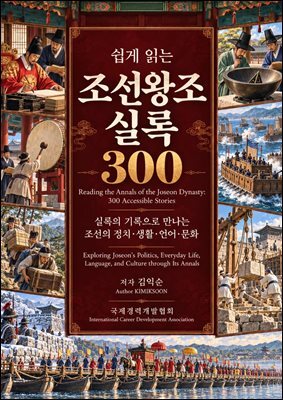
[eBook] 쉽게 읽는 조선왕조실록 300_Reading the Annals of the Joseon Dynasty: 300 Accessible Stories
- 글쓴이
- 김익순 저
- 출판사
- 국제경력개발협회
- 출판일
- 2026년 10월 29일
읽고있어요
다 읽었어요
읽고싶어요
책 소개
분야한국사
『쉽게 읽는 조선왕조실록 300』은 실록의 구체적인 기사에서 출발해 조선의 정치와 일상생활, 언어와 문화를 살펴보는 한국어·영어 대역 역사 교양서입니다. 왕과 신하의 말, 보고와 상소, 국가의 명령과 사관의 평가를 구분하며 사건이 기록된 배경과 그 기록으로 확인할 수 있는 범위를 설명합니다. 태조부터 철종까지의 기록을 중심으로 읽고, 고종·순종실록은 편찬 배경을 고려해 당대 자료와 대조합니다.
전체는 12부·30장·300개 토픽으로 이루어집니다. 실록 편찬과 사관의 활동에서 시작해 조선 건국, 왕위 계승과 정치적 갈등, 세종 시대의 문자·학문·과학, 사화와 개혁, 임진왜란과 병자호란, 전후 사회와 조세 개혁, 개항과 대한제국, 1910년 국권 상실까지 이어집니다. 신문고의 청원 절차, 공노비의 출산 관련 조치, 의녀의 교육, 전쟁 포로의 귀환, 가족과 신분, 세금과 군역 등 제도가 사람들의 생활과 만나는 장면도 함께 다룹니다.
각 토픽은 구체적인 기록을 소개하고 필요한 용어와 시대 배경, 인물 관계를 풀어 갑니다. 태종의 낙마, 훈민정음 창제, 단종의 죽음, 십만양병설처럼 익숙한 주제도 어떤 자료에 무엇이 적혀 있는지 살펴봅니다. 보고된 주장과 확인된 사실, 정책의 명령과 실제 시행, 사건 당시의 기록과 후대의 회고를 나누어 읽도록 설명합니다. 이를 통해 독자는 한 사건을 이해하는 데 필요한 근거와 남아 있는 질문을 함께 생각할 수 있습니다.
본문은 한국어 문단 뒤에 대응 영어를 배치하여 같은 내용을 두 언어로 읽을 수 있게 했습니다. 부록 12종에는 주요 연표, 왕위 계승, 지명과 위치, 관청과 신분, 세금·군역·돈·도량형, 핵심용어, 주제별 찾아보기, 실록 기사 읽기, 세 종류의 색인, 영어 설명과 대화 예문을 담았습니다. 역사에 관심 있는 성인 독자, 중고급 한국어 학습자, 한국사를 영어로 설명하려는 독자는 시대순으로 읽거나 필요한 인물·사건·생활 주제를 찾아 읽을 수 있습니다.
Reading the Annals of the Joseon Dynasty: 300 Accessible Stories is a Korean?English guide to Joseon’s politics, everyday life, language, and culture through specific entries in the Annals. It distinguishes rulers’ and officials’ words, reports and petitions, state orders, and historians’ assessments, explaining the context of each record and what it can establish. The main readings cover Taejo through Cheoljong; the Gojong and Sunjong Annals are compared with contemporary sources in light of their compilation history.
The book contains 12 parts, 30 chapters, and 300 topics. Beginning with compilation and court historians, it follows Joseon’s founding, royal succession and political conflict, Sejong-era writing, scholarship and science, literati purges and reform, the Imjin War and Qing invasion, postwar society and tax reform, the opening of ports, the Korean Empire, and the loss of sovereignty in 1910. It also examines institutions as people encountered them: petition procedures, childbirth provisions for state-owned enslaved people, the education of medical women, returning war captives, family and status, taxation, and military obligations.
Each topic introduces particular records and explains relevant terms, historical circumstances, and personal relationships. Familiar subjects such as Taejong’s fall from a horse, the creation of Hunminjeongeum, Danjong’s death, and the proposed hundred-thousand-man army are examined through what specific sources say. The explanations distinguish reported claims from established facts, orders from implementation, and contemporary records from later recollections. Readers can consider both the evidence needed to understand an event and the questions that remain.
Korean paragraphs are followed by their English counterparts. The 12 appendices cover chronology, royal succession, historical locations, offices and social status, taxes, military obligations, money, and measures, key terms, thematic reading routes, interpreting Annals entries, three indexes, and examples of explanations and dialogues in English. Adults interested in history, intermediate and advanced learners of Korean, and readers who wish to explain Korean history in English can read chronologically or look up particular people, events, and aspects of everyday life.
전체 리뷰 (0)
최근 작성 순