- 리뷰
- 리스트
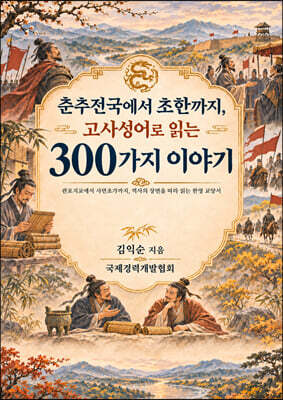
[eBook] 춘추전국에서 초한까지, 고사성어로 읽는 300가지 이야기
- 글쓴이
- 김익순 저
- 출판사
- 국제경력개발협회
- 출판일
- 2026년 11월 16일
읽고있어요
다 읽었어요
읽고싶어요
저자

김익순
삼성그룹공채 34기로 입사하여 삼성전자 본사 전략기획총괄 인사팀에서 국내외 채용 및 인력 경영계획, 노사업무를 담당하였다. 이후 (주)베스트윈을 창업하여 KT 비즈메카 협력사로서 다양한 솔루션을 개발·관리하였으며, (주)조인스 HRD을 창업하여 수도권 6개 대학교에 유학원을 운영하였다. 현재 국제경력개발협회 협회장으로 직무역량제고·창직·창업을 위한 국가민간 자격증 개발 및 교육을 보급하고 있으며, 대학교에서 구글 및 모바일 응용 앱을 융합하는 IT 활용법, 모의면접·취업진로 등 HRD 관련 강의 및 이커머스를 기반으로 하는 창업 홍보 마케팅법 등을 강의하고 있다. 또한 한국비서학회 산업분과위원장·핸드폰책쓰기코칭협회 본부장으로 활동하고 있다.
저자는 특이한 경력의 소유자다. ‘삼성전자(대기업)+한소프트넷(벤처기업)+창업+겸임교수’ 업무를 경험하였고, 그동안의 경험을 실전 현장인 자동차 금형 제조공장에서 공장장으로 근무하면서 바코드를 활용한 무인화된 재고관리, 구글 계정을 활용한 전자결재 및 중앙 데이터베이스화, 자체 온라인 교육센터 구축 및 평가 보상 체계 마련, 셀프 리더십으로 함께하는 5S3정 시행, 실시간 공정 협업이 실무적으로 가능한 스마트 팩토리 체계 등을 도입하였다.
코로나19 사태로 ‘기업의 패러다임도 바뀌어야 한다.’며 국제경력개발협회 산하 기업역량강화센터를 이러닝으로 구축하여 널리 보급하고자 활동하고 있다.
책 소개
분야인문/사회
고사성어는 네 글자나 짧은 구절로 전해지지만, 그 말이 태어난 자리에는 사람과 사건, 선택의 결과가 놓여 있다. 『춘추전국에서 초한까지, 고사성어로 읽는 300가지 이야기』는 익숙한 성어를 뜻풀이로만 익히지 않고, 그 표현을 낳은 역사적 장면과 기록을 따라 읽도록 구성한 교양서이다. 관포지교의 우정과 신뢰에서 출발해 사면초가의 고립, 인의불시의 통치에 대한 성찰에 이르기까지, 한 표현이 어떤 질문을 남기는지 살핀다.
이야기는 춘추시대의 제 환공과 관중, 진 문공과 초 장왕을 거쳐 오·월의 대립과 구천·범려의 선택으로 이어진다. 전국시대에 들어서면 제후국의 개혁, 인재 등용, 진나라의 팽창, 합종연횡의 외교와 유세객들의 설득을 다룬다. 맹상군 등 사공자와 식객들의 일화, 공자·맹자·묵자·노자·장자의 말과 우화도 함께 읽는다. 마지막에는 진의 통일과 균열, 진승의 봉기, 유방과 항우의 경쟁을 통해 초한시대까지 이어지는 성어의 맥락을 짚는다. 정치·외교만이 아니라 배움, 우정, 책임, 판단, 인간관계와 삶의 태도를 아우른다.
각 이야기에서는 한자를 하나씩 풀어 한국식 독음과 결합 의미를 설명하고, 성어의 핵심 뜻을 먼저 잡은 다음 인물·상황·기록으로 들어간다. 예를 들어 포숙아가 관중을 신뢰한 이유를 장사 이익의 숫자보다 친구의 형편에서 찾고, 합종연횡에서는 여섯 나라가 공유한 위협뿐 아니라 서로 다른 국경과 이해관계도 설명한다. 사면초가에서는 노래의 울림만이 아니라 해하에 포위된 군대의 사정까지 살핀다. 고사성어를 단순한 교훈 한 줄로 환원하지 않고 사건의 순서와 선택의 배경을 드러내는 방식이다.
또한 원전의 문장, 그 이야기를 전한 문헌의 편찬 시기, 후대에 굳어진 표현을 서로 구별한다. 와신상담의 섶 이야기가 『사기』의 구천 일화에 그대로 등장하는지, 권토중래가 항우의 실제 재기인지 후대 시인의 상상인지 등을 따져 읽는다. 철학적 우화와 교육적 전승 역시 실제 사건의 현장 기록처럼 단정하지 않는다. 이런 구별은 성어의 뜻을 정확히 이해하고, 고전을 읽을 때 기록과 해석의 거리를 살피는 데 도움이 된다.
한국어와 영어 설명이 문단별로 이어져 같은 역사 장면을 두 언어로 비교할 수 있다. 순서대로 읽으면 시대의 변화와 인물 간 관계를 살펴볼 수 있고, 성어 가나다순 색인, 인물 찾아보기, 주제별 읽기, 영문 제목 색인, 출전별 색인을 통해 필요한 이야기를 다시 찾을 수도 있다. 고사성어를 외우는 데 그치지 않고 그 말이 쓰일 만한 상황과 쓰임의 한계를 함께 이해하려는 독자에게 적합하다.
Classical idioms can fit in four characters, yet their origins involve people, decisions, and events. This book follows the stories and recorded contexts behind 300 expressions rather than presenting definitions alone. From the trust of Gwanpojigyo to the isolation of Samyeonchoga and the criticism of government in Inuibulsi, it explores the questions that remain within each familiar phrase.
The chapters move from Duke Huan of Qi, Guan Zhong, Duke Wen of Jin, and King Zhuang of Chu to the rivalry of Wu and Yue and the choices of Goujian and Fan Li. Warring States episodes explore reform, the recruitment of talent, Qin’s expansion, alliance diplomacy, and the arguments of traveling advisers. Stories of the Four Lords and their retainers appear alongside the thought and parables of Confucius, Mencius, Mozi, Laozi, and Zhuangzi. The closing chapters follow Qin’s unification and collapse and the struggle between Liu Bang and Xiang Yu. Friendship, learning, responsibility, judgment, and political authority are considered throughout.
Each entry explains the characters and their Korean readings before turning to the people, sources, and decisions behind the expression. In Gwanpojigyo, Bao Shuya takes Guan Zhong’s poverty into account when assessing an unequal division of profits. Hapjongyeonhoeng explores the danger facing six states without ignoring their conflicting interests. Samyeonchoga sets Xiang Yu’s hearing of Chu songs against his army’s isolation at Gaixia. These examples show why context matters more than attaching a single moral to a term.
The book distinguishes classical sources from later retellings. It asks whether the firewood associated with Wasinsangdam appears in the Shiji account of Goujian and shows that Gwontojungnae recalls a later poet’s imagined comeback for Xiang Yu, not an actual second campaign. Philosophical parables and educational traditions are not treated as eyewitness reports. The distance between events, surviving records, and later expressions is part of each interpretation.
Korean and English paragraphs alternate, allowing comparison across languages. Readers may follow the historical sequence or consult indexes of idioms, people, themes, English titles, and sources. The focus is on understanding how expressions arose and how to use them with care, not simply memorizing their wording.
전체 리뷰 (0)
최근 작성 순