- 리뷰
- 리스트
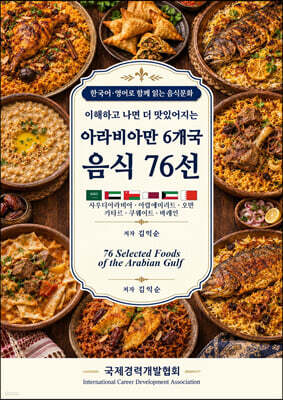
[eBook] 아라비아만 6개국 음식 76선
- 글쓴이
- 김익순 저
- 출판사
- 국제경력개발협회
- 출판일
- 2026년 11월 19일
읽고있어요
다 읽었어요
읽고싶어요
저자

김익순
삼성그룹공채 34기로 입사하여 삼성전자 본사 전략기획총괄 인사팀에서 국내외 채용 및 인력 경영계획, 노사업무를 담당하였다. 이후 (주)베스트윈을 창업하여 KT 비즈메카 협력사로서 다양한 솔루션을 개발·관리하였으며, (주)조인스 HRD을 창업하여 수도권 6개 대학교에 유학원을 운영하였다. 현재 국제경력개발협회 협회장으로 직무역량제고·창직·창업을 위한 국가민간 자격증 개발 및 교육을 보급하고 있으며, 대학교에서 구글 및 모바일 응용 앱을 융합하는 IT 활용법, 모의면접·취업진로 등 HRD 관련 강의 및 이커머스를 기반으로 하는 창업 홍보 마케팅법 등을 강의하고 있다. 또한 한국비서학회 산업분과위원장·핸드폰책쓰기코칭협회 본부장으로 활동하고 있다.
저자는 특이한 경력의 소유자다. ‘삼성전자(대기업)+한소프트넷(벤처기업)+창업+겸임교수’ 업무를 경험하였고, 그동안의 경험을 실전 현장인 자동차 금형 제조공장에서 공장장으로 근무하면서 바코드를 활용한 무인화된 재고관리, 구글 계정을 활용한 전자결재 및 중앙 데이터베이스화, 자체 온라인 교육센터 구축 및 평가 보상 체계 마련, 셀프 리더십으로 함께하는 5S3정 시행, 실시간 공정 협업이 실무적으로 가능한 스마트 팩토리 체계 등을 도입하였다.
코로나19 사태로 ‘기업의 패러다임도 바뀌어야 한다.’며 국제경력개발협회 산하 기업역량강화센터를 이러닝으로 구축하여 널리 보급하고자 활동하고 있다.
책 소개
분야가정과생활
『아라비아만 6개국 음식 76선』은 사우디아라비아, 아랍에미리트, 오만, 카타르, 쿠웨이트, 바레인의 식탁을 통해 아라비아만 지역의 생활과 문화를 살펴보는 책이다. 낯선 음식 이름을 외우는 데서 그치지 않고, 무엇을 재료로 삼는지, 어떤 순서로 익히는지, 어떤 자리에서 먹는지를 함께 설명한다. 사막과 오아시스, 해안과 교역의 흔적이 쌀·밀·대추야자·육류·생선·향신료의 사용에 어떻게 드러나는지도 짚는다.
사우디아라비아 편에서는 굵게 부순 밀로 만드는 자리시, 육수에 쌀을 오래 익히는 살리그, 지역마다 반죽과 국물의 조합이 다른 마르쿠크와 마타지즈, 캅사와 만디 같은 음식의 조리 차이를 다룬다. 아랍에미리트 편은 염장 생선을 활용한 마드루바, 얇은 빵을 국물에 적시는 타리드, 쌀과 고기를 함께 익히는 마치부스뿐 아니라 두바이의 비리야니와 샤와르마를 통해 전통과 도시의 다문화적 식탁을 함께 살핀다. 오만 편에서는 땅속 화덕에 고기를 익히는 슈와, 생선 요리 마슈아이, 향신료를 사용하는 쌀 요리와 밀·고기 음식의 지역적 맥락을 읽는다.
카타르에서는 마치부스의 일상적·의례적 의미와 마르고그, 하리스, 발랄리트, 도하의 거리 음식을 소개한다. 쿠웨이트에서는 마치부스의 육수와 쌀의 관계, 생선을 활용한 무타바크 사막, 오크라를 넣는 마라그 바미아와 빵을 곁들이는 타슈리브를 설명한다. 바레인 편에서는 대추야자 당밀로 달게 지은 무함마르와 생선의 대비, 발랄리트의 달콤하고 짭짤한 맛, 사모사의 여러 속재료 등을 살펴본다. 서로 가까운 나라에 같은 이름의 음식이 등장하더라도 재료·조리 과정·먹는 상황까지 동일하다고 단정하지 않는다.
각 음식 글은 맛과 식감을 구체적인 조리 과정에 연결하고, 관광·문화·공공기관 자료에 근거해 대표 음식의 의미와 기원에 관한 주장을 구별한다. 글 말미의 세 가지 질문은 현지 식당에서 음식을 주문하거나 함께 식사하는 사람과 대화할 때 참고할 수 있다. 걸프 지역을 여행하려는 독자, 중동 식문화에 관심 있는 독자, 서로 닮은 요리의 차이를 이해하려는 독자에게 음식으로 지역사회를 읽는 관점을 제공한다.
This book examines everyday life and culture through the tables of Saudi Arabia, the United Arab Emirates, Oman, Qatar, Kuwait, and Bahrain. Rather than merely listing unfamiliar dish names, it looks at ingredients, cooking sequences, and the occasions on which meals are shared. Rice, wheat, dates, meat, fish, and spices become clues to how desert, oasis, coastal, and trading environments have influenced local food traditions.
The Saudi Arabian section explores Jareesh made from cracked wheat, Saleeg slowly cooked in stock, the different uses of dough and broth in Marqooq and Matazeez, and the preparation of dishes such as kabsa and mandi. In the UAE section, salt-cured fish in Madrooba, bread soaked in stew in Thareed, and spiced rice dishes such as Machboos appear alongside biryani and shawarma in Dubai's multicultural dining scene. The Omani section considers Shuwa, with meat slowly cooked in an underground oven, the fish dish Mashuai, and the local contexts of spiced rice, wheat, and meat preparations.
The Qatar section covers the everyday and ceremonial roles of Machboos, as well as Margoog, Harees, Balaleet, and street foods found in Doha. Kuwait's section explains how broth flavors rice in Machboos and examines the fish-and-rice dish Mutabbaq Samak, okra stew known as Marag Bamia, and bread-based Tashreeb. In Bahrain, readers encounter the contrast between sweet Muhammar rice made with date molasses and savory fish, the sweet-and-savory character of Balaleet, and the variety of fillings used in samboosa. A shared dish name across neighboring countries is not treated as proof of an identical recipe, preparation, or dining custom.
The chapters connect flavor and texture to identifiable cooking methods and use tourism, cultural, and public-institution records to distinguish a dish's cultural significance from unsupported claims about where it originated. Three questions at the end of each included food entry suggest ways to start conversations at a restaurant or around a shared table. The book offers travelers, readers interested in Middle Eastern food cultures, and those comparing related regional dishes a practical way to explore society through food.
전체 리뷰 (0)
최근 작성 순