- 리뷰
- 리스트
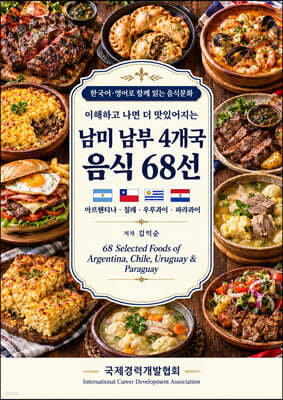
[eBook] 남미 남부 4개국 음식 68선
- 글쓴이
- 김익순 저
- 출판사
- 국제경력개발협회
- 출판일
- 2026년 11월 17일
읽고있어요
다 읽었어요
읽고싶어요
저자

김익순
삼성그룹공채 34기로 입사하여 삼성전자 본사 전략기획총괄 인사팀에서 국내외 채용 및 인력 경영계획, 노사업무를 담당하였다. 이후 (주)베스트윈을 창업하여 KT 비즈메카 협력사로서 다양한 솔루션을 개발·관리하였으며, (주)조인스 HRD을 창업하여 수도권 6개 대학교에 유학원을 운영하였다. 현재 국제경력개발협회 협회장으로 직무역량제고·창직·창업을 위한 국가민간 자격증 개발 및 교육을 보급하고 있으며, 대학교에서 구글 및 모바일 응용 앱을 융합하는 IT 활용법, 모의면접·취업진로 등 HRD 관련 강의 및 이커머스를 기반으로 하는 창업 홍보 마케팅법 등을 강의하고 있다. 또한 한국비서학회 산업분과위원장·핸드폰책쓰기코칭협회 본부장으로 활동하고 있다.
저자는 특이한 경력의 소유자다. ‘삼성전자(대기업)+한소프트넷(벤처기업)+창업+겸임교수’ 업무를 경험하였고, 그동안의 경험을 실전 현장인 자동차 금형 제조공장에서 공장장으로 근무하면서 바코드를 활용한 무인화된 재고관리, 구글 계정을 활용한 전자결재 및 중앙 데이터베이스화, 자체 온라인 교육센터 구축 및 평가 보상 체계 마련, 셀프 리더십으로 함께하는 5S3정 시행, 실시간 공정 협업이 실무적으로 가능한 스마트 팩토리 체계 등을 도입하였다.
코로나19 사태로 ‘기업의 패러다임도 바뀌어야 한다.’며 국제경력개발협회 산하 기업역량강화센터를 이러닝으로 구축하여 널리 보급하고자 활동하고 있다.
책 소개
분야가정과생활
『남미 남부 4개국 음식 68선』은 아르헨티나·칠레·우루과이·파라과이의 음식을 재료와 조리법, 맛의 특징, 지역의 생활문화와 함께 읽는 음식문화 안내서다. 지리적으로 이웃한 네 나라의 식탁에는 쇠고기 구이와 빵, 옥수수와 마니오카, 스튜와 해산물 요리가 다양하게 등장한다. 책은 음식의 이름을 단순히 나열하기보다, 이름이 가리키는 재료와 실제 모양, 음식을 먹고 나누는 방식에 주목한다.
아르헨티나 편에서는 토마토소스·햄·치즈를 얹은 밀라네사 아 라 나폴리타나, 고기와 사람들의 모임을 함께 뜻하는 아사도, 지역별 엠파나다, 옥수수잎에 싸서 익히는 우미타 엔 찰라 등을 다룬다. 칠레 편은 옥수수층 아래 고기와 채소를 담은 파스텔 데 초클로, 칠로에의 달군 돌과 잎으로 익히는 쿠란토, 여러 해산물을 한 국물에 담는 파일라 마리나처럼 안데스와 태평양에 맞닿은 지역의 조리법을 보여 준다.
우루과이 편에서는 이름과 달리 쇠고기 스테이크가 중심인 치비토, 장작불과 함께하는 아사도, 크림소스를 활용한 파스타 알 카루소, 양파가 특징인 푸가사 등을 살핀다. 파라과이 편에서는 국물이 아닌 구운 옥수수 음식인 소파 파라과야, 옥수수 알갱이를 쓰는 치파 과수, 작은 옥수수 경단이 들어간 보리보리 수프, 고기를 곱게 풀어 끓이는 소요, 마니오카를 넣은 고기 스튜를 소개한다. 비슷한 이름의 음식이라도 나라마다 조리·곁들임·언어 사용이 달라질 수 있다는 점을 함께 짚는다.
각 음식은 한국어와 영어로 설명하며, 재료를 알아보는 법과 조리의 핵심, 식탁에서 경험할 수 있는 맛과 문화적 배경을 이어서 서술한다. 국가 관광기관과 공공 문화·음식 자료 등을 참고한 설명 뒤에는 현지인과 음식을 주제로 대화할 때 활용할 질문이 실려 있다. 남미 여행을 준비하거나 현지 식당의 메뉴를 이해하려는 사람, 음식을 통해 서로 다른 지역의 일상과 언어를 알아보고 싶은 독자에게 도움이 되는 자료다.
68 Selected Foods of Argentina, Chile, Uruguay & Paraguay is a guide to the food cultures of four neighbouring South American countries. It explores dishes through their ingredients, methods of preparation, flavours and place in everyday life. Across these countries, grilled beef and breads, corn and cassava, stews and seafood take many different forms. Rather than offering a bare list of names, the book considers what each name refers to, what the food actually looks like and how it is shared at the table.
The Argentina section covers milanesa a la napolitana, a breaded cutlet topped with tomato sauce, ham and cheese asado as both a grilled meal and a social gathering regional empanadas and humita en chala, cooked in corn husks. The Chile section introduces pastel de choclo, with meat and vegetables beneath a corn topping curanto, traditionally cooked with heated stones and leaves on Chiloe and paila marina, which brings different kinds of seafood together in one broth. These dishes reveal techniques shaped by Chile's varied regions, from the Andes to the Pacific coast.
In Uruguay, readers encounter chivito, a beef-steak sandwich despite the meaning suggested by its name asado associated with wood embers and shared meals pasta with salsa Caruso and onion-topped fugazza. The Paraguay section explains sopa paraguaya, a baked corn dish rather than a liquid soup chipa guasu made with corn kernels vori vori with small corn dumplings soyo with finely prepared meat and a stew combining meat with cassava. The descriptions also show that foods with related names can differ across borders in preparation, accompaniments and everyday language.
Each dish is discussed in Korean and English, connecting the recognition of ingredients and essential cooking methods with the taste and cultural setting of the meal. The accounts draw on tourism authorities and public cultural and culinary materials, and include questions designed to start conversations with local people about food. The book is intended for readers preparing to travel in southern South America, people seeking to understand local menus, and anyone interested in learning about everyday life and language through food.
전체 리뷰 (0)
최근 작성 순