- 리뷰
- 리스트
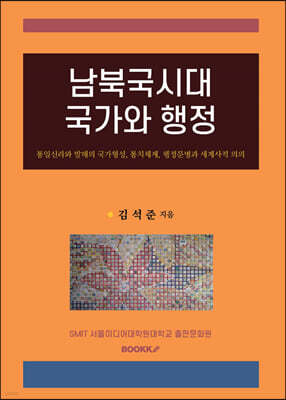
[eBook] 남북국시대 국가와 행정
- 글쓴이
- 김석준
- 출판사
- 부크크
- 출판일
- 2026년 11월 16일
읽고있어요
다 읽었어요
읽고싶어요
책 소개
분야법률/행정/복지
이 책은 통일신라와 발해의 국가형성과 통치체제, 행정조직, 지방통치, 재정·경제, 군사·법률·교육, 종교·문화 및 외교관계를 비교국가학과 역사행정학의 관점에서 종합적으로 분석한다. 연구의 목적은 남북국시대의 두 국가가 서로 다른 정치적·사회적 조건 속에서 어떠한 국가체제를 형성하고 발전시켰으며, 이러한 역사적 경험이 한국사와 동아시아사 및 세계사적 국가발전에 어떠한 의미를 가지는지를 규명하는 데 있다.
통일신라는 삼국통일전쟁 이후 확대된 영토와 다양한 주민집단을 통합하기 위한 중앙집권적 통치체제를 발전시켰다. 왕권을 강화하고 집사부를 비롯한 중앙관부를 정비하였으며, 9주 5소경을 중심으로 지방행정체제를 구축하였다. 또한 9서당 10정의 군사조직과 국학, 독서삼품과 등의 제도를 발전시켰다. 신라촌락문서는 주민과 토지 및 생산자원의 파악을 보여주는 중요한 자료이며, 국가의 행정정보 능력을 이해하는 데 핵심적인 의미를 가진다.
발해는 고구려의 역사적 유산과 말갈계 주민집단의 정치·사회적 기반을 바탕으로 성립하였다. 발해는 왕권을 중심으로 3성 6부 등의 중앙관부와 5경 15부 62주로 알려진 지방통치체제를 형성하였다. 당의 제도적 영향을 수용하면서도 독자적인 관부 명칭과 정치적 질서를 발전시켰으며, 당·일본 및 북방의 여러 정치세력과 외교·경제적 관계를 전개하였다.
두 국가의 비교는 중앙집권화의 정도와 국가역량을 단순히 관부의 수나 행정구역의 규모로 판단할 수 없음을 보여준다. 국가의 실제 통치능력은 정치적 정당성, 중앙과 지방의 관계, 재정적 자원동원, 군사적 방위, 관료의 충원과 통제 및 국제적 환경에 의해 복합적으로 결정된다.
통일신라와 발해의 국가체제는 모두 동아시아적 제도와 문화의 영향을 받았지만, 이를 각자의 역사적 조건에 따라 선택적으로 수용하고 변형하였다. 이러한 사실은 한국 고대국가의 발전을 외래제도의 단순한 모방이나 단일한 국가발전 경로로 설명할 수 없음을 시사한다.
이 책은 문헌사료와 금석문, 목간 및 고고학적 자료를 종합하면서 비교역사분석과 역사적 제도주의, 국가역량 이론을 활용한다. 특히 제도적 형식과 실제 행정운영, 정치적 이념과 통치능력 및 사료의 전승량과 역사적 현실을 구분한다.
연구의 핵심적인 결론은 통일신라와 발해가 서로 다른 국가형성의 경로와 행정적 특성을 발전시킨 두 개의 독자적인 정치체제였으며, 이들의 경험을 함께 분석할 때 한국 고대국가와 행정문명의 역사적 다양성을 더욱 충실하게 이해할 수 있다는 것이다.
주제어:통일신라, 발해, 남북국시대, 국가형성, 국가와 행정, 행정문명, 중앙관료제, 지방행정, 국가역량, 비교국가학, 동아시아 국제질서
<English Abstract>
The State and Administration of Unified Silla and Balhae: State Formation, Governance, and Administrative Civilizations in Comparative Historical Perspective
Abstract
This book presents a comprehensive comparative study of state formation, political authority, administrative institutions, territorial governance, fiscal and economic administration, military organization, legal institutions, education, religion, culture, and international relations in Unified Silla and Balhae.
Its central objective is to explain how two distinct states developed different patterns of political organization and administrative governance within the broader historical environment of East Asia from the late seventh to the early tenth century.
Unified Silla consolidated its political authority following the wars of unification and developed institutional arrangements for governing an expanded territory and diverse populations. Royal authority, central administrative offices, the system of nine provinces and five secondary capitals, and military institutions contributed to the organization of territorial rule. Educational institutions, including the National Academy, and the introduction of the doks? samp&aposumkwasystem reflected attempts to connect Confucian learning with official recruitment, although hereditary status continued to shape political opportunities.
The Silla village d-ocuments provide particularly valuable evidence of administrative information concerning households, population, land, and productive resources. They illustrate the capacity of the state to collect information about local society, while also demonstrating the limitations of using surviving administrative re
전체 리뷰 (0)
최근 작성 순