- 리뷰
- 리스트
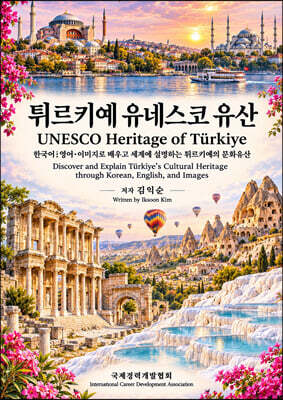
[eBook] 튀르키예 유네스코 유산_UNESCO Heritage of Turkiye
- 글쓴이
- 김익순 저
- 출판사
- 국제경력개발협회
- 출판일
- 2026년 11월 24일
읽고있어요
다 읽었어요
읽고싶어요
저자

김익순
삼성전자 본사 전략기획총괄 인사팀에서 근무했으며, 이후 기업의 경영지원과 인사, 교육, 컨설팅 분야에서 다양한 경험을 쌓아 왔다. 현재는 국제경력개발협회 협회장으로 활동하고 있다.
오랜 직장생활과 기업 경영 현장에서 다양한 사람들을 만나면서, 저자는 누구나 살아가며 중요한 선택과 어려운 문제에 부딪힌다는 사실에 주목해 왔다. 같은 상황에서도 어떤 정보를 알고 무엇을 먼저 준비하느냐에 따라 결과가 달라질 수 있다는 점을 중요하게 생각한다. 특히 법률이나 행정제도처럼 익숙하지 않은 분야일수록 누구나 이해할 수 있는 설명과 실제 생활에 도움이 되는 안내가 필요하다고 믿는다. 이러한 관심은 직장생활과 경력개발을 넘어 가족관계, 경제, 법률, 복지 등 일상생활의 다양한 분야로 이어졌다. 저자는 어렵고 복잡한 내용을 전문용어로 설명하기보다 쉬운 말로 풀어내고, 독자가 실제 상황에서 무엇을 확인하고 어떻게 준비해야 하는지 알려 주는 데 중점을 둔다. 정확한 정보를 바탕으로 하되, 처음 접하는 사람도 부담 없이 읽을 수 있는 책을 쓰고자 노력하고 있다.
저자는 좋은 실용서란 단순히 많은 정보를 담은 책이 아니라, 독자가 필요할 때 펼쳐 보고 스스로 문제를 해결하는 데 도움을 받을 수 있는 책이라고 생각한다. 누구나 살아가면서 필요한 지식을 쉽게 찾아보고, 자신의 상황에 맞게 판단하고 활용할 수 있도록 돕는 것이 저자가 꾸준히 추구하는 집필 방향이다.
책 소개
분야취미/여행
튀르키예의 유산을 이해한다는 것은 오래된 건물의 이름과 등재연도를 기억하는 데서 끝나지 않는다. 『튀르키예 유네스코 유산』은 유네스코 세계유산, 인류무형문화유산, 세계기록유산 국제등록부에 오른 튀르키예 관련 유산을 장소·사람·기록이라는 세 갈래로 살펴보는 문화 교양서다. 서로 다른 시대와 공동체의 흔적을 오늘날 하나의 정체성으로 뭉뚱그리지 않고, 각각의 역사적·사회적 맥락에서 설명한다.
장소에 남은 세계유산을 다루는 부분에서는 아프로디시아스의 도시와 대리석 채석장, 트로이의 여러 겹의 유적, 이스탄불 역사 지구의 건축과 도시 생활을 함께 읽는다. 괴베클리 테페와 차탈회위크는 초기 공동체의 생활을 묻는 자료가 되며, 괴레메·카파도키아와 히에라폴리스·파묵칼레에서는 자연환경과 인간의 활동이 함께 만든 경관을 살핀다.
사람을 통해 이어지는 무형유산에서는 차와 커피를 나누는 환대, 납작빵과 케슈케크를 만드는 공동작업, 자수·서예·도자·마블링의 손기술, 이야기꾼과 음유시인, 전통 공연·의례·축제 등을 살펴본다. 이름이 같은 유산이라도 지역과 공동체의 실천이 모두 같지는 않으며, 여러 나라가 함께 등재한 전통을 한 나라만의 독점적 문화로 이해해서도 안 된다는 점을 짚는다.
기록으로 만나는 세계기록유산에서는 히타이트의 설형문자 점토판, 퀼테페 상인들의 문서, 옛 필사본과 서지학 저작, 피리 레이스의 1513년 세계지도, 일디즈 궁전 사진 컬렉션 등을 통해 문서가 전하는 정보와 그 한계를 살핀다. 기록이 만들어진 장소와 오늘날의 소장·열람 기관을 구분하며, 실제 자료에서 확인되는 사실과 후대의 추론을 섞지 않도록 안내한다.
각 주제에는 한국어 설명과 대응하는 영어 본문, 대화에 활용할 질문, 현장 방문 또는 자료 열람 안내, 공식 참고자료가 제시된다. 실제 사진과 관계를 설명하기 위한 도식도 구분한다. 이 책은 여행·관광을 준비하는 독자는 물론 튀르키예 사람들과 교류하는 유학·연수·사업·장기체류 및 다문화 환경의 독자가 문화적 배경을 더 정확히 이해하고, 상대의 경험을 존중하며 대화를 시작하는 데 참고할 수 있다.
Understanding Turkiye’s heritage involves more than remembering the names of monuments and the years of their inscription. UNESCO Heritage of Turkiye explores heritage connected with Turkiye on the UNESCO World Heritage List, the Representative List of the Intangible Cultural Heritage of Humanity and related intangible heritage registers, and the Memory of the World International Register. The book approaches these materials through three perspectives: places, people, and records. It places the traces left by different periods and communities in their respective historical and social settings rather than treating them as evidence of one unchanging identity.
The section on World Heritage places connects the ancient city of Aphrodisias with its marble quarries, examines the successive archaeological layers of Troy, and reads Istanbul’s historic districts through both architecture and urban life. Gobekli Tepe and Catalhoyuk open questions about early communities. Goreme and Cappadocia, together with Hierapolis-Pamukkale, illustrate relationships between natural environments and human activity.
The intangible heritage section looks at hospitality expressed through tea and coffee, shared work involved in flatbread and ceremonial ke?kek, craftsmanship in embroidery, calligraphy, ceramics and marbling, and the living practices of storytellers, musicians, rituals and festivals. It explains that practices vary among regions and communities and that traditions inscribed jointly by several countries cannot simply be treated as the exclusive heritage of one.
The d-ocumentary heritage section examines Hittite cuneiform tablets, merchants’ records from Kultepe, manuscripts and works of bibliography, the 1513 Piri Reis world map, and the Yildiz Palace Photography Collection. It considers both what d-ocumentary evidence reveals and what it cannot establish. The book distinguishes the place where a record originated from the institutions that now preserve or provide access to it, and separates d-ocumented facts from later interpretations or conjecture.
Each subject combines Korean explanations with corresponding English text, prompts for conversation, practical guidance on visits or access to collections, and references to official sources. Captions distinguish d-ocumentary images from explanatory diagrams. The book is intended as a cultural reference for travellers and for readers involved in study, training, business, extended stays, or intercultural family and community life. It offers ways to understand cultural contexts more precisely and to begin conversations that respect other people’s experiences.
전체 리뷰 (0)
최근 작성 순