- 리뷰
- 리스트
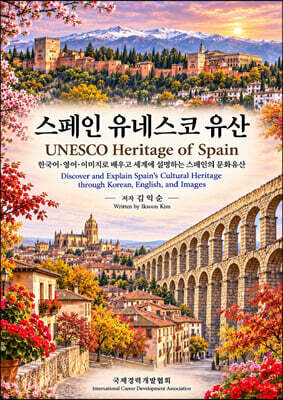
[eBook] 스페인 유네스코 유산_UNESCO Heritage of Spain
- 글쓴이
- 김익순 저
- 출판사
- 국제경력개발협회
- 출판일
- 2026년 11월 24일
읽고있어요
다 읽었어요
읽고싶어요
저자

김익순
삼성전자 본사 전략기획총괄 인사팀에서 근무했으며, 이후 기업의 경영지원과 인사, 교육, 컨설팅 분야에서 다양한 경험을 쌓아 왔다. 현재는 국제경력개발협회 협회장으로 활동하고 있다.
오랜 직장생활과 기업 경영 현장에서 다양한 사람들을 만나면서, 저자는 누구나 살아가며 중요한 선택과 어려운 문제에 부딪힌다는 사실에 주목해 왔다. 같은 상황에서도 어떤 정보를 알고 무엇을 먼저 준비하느냐에 따라 결과가 달라질 수 있다는 점을 중요하게 생각한다. 특히 법률이나 행정제도처럼 익숙하지 않은 분야일수록 누구나 이해할 수 있는 설명과 실제 생활에 도움이 되는 안내가 필요하다고 믿는다. 이러한 관심은 직장생활과 경력개발을 넘어 가족관계, 경제, 법률, 복지 등 일상생활의 다양한 분야로 이어졌다. 저자는 어렵고 복잡한 내용을 전문용어로 설명하기보다 쉬운 말로 풀어내고, 독자가 실제 상황에서 무엇을 확인하고 어떻게 준비해야 하는지 알려 주는 데 중점을 둔다. 정확한 정보를 바탕으로 하되, 처음 접하는 사람도 부담 없이 읽을 수 있는 책을 쓰고자 노력하고 있다.
저자는 좋은 실용서란 단순히 많은 정보를 담은 책이 아니라, 독자가 필요할 때 펼쳐 보고 스스로 문제를 해결하는 데 도움을 받을 수 있는 책이라고 생각한다. 누구나 살아가면서 필요한 지식을 쉽게 찾아보고, 자신의 상황에 맞게 판단하고 활용할 수 있도록 돕는 것이 저자가 꾸준히 추구하는 집필 방향이다.
책 소개
분야취미/여행
『스페인 유네스코 유산』은 스페인과 연결된 세계유산, 인류무형문화유산, 세계기록유산을 장소와 사람, 기록의 관점에서 읽는 문화 교양서이다. 유적의 건립 연도나 축제의 이름만 나열하지 않고, 누가 그 장소를 이용했는지, 기술과 관습이 어떻게 이어졌는지, 기록이 어떤 상황에서 만들어져 오늘 어디에 보존되는지를 살펴본다. 스페인과 다른 나라가 함께 등재한 유산도 각각의 역사적·지리적 관계를 구분해 설명한다.
장소를 다루는 제1부에서는 안테케라 고인돌과 알타미라 동굴 예술에서 출발해 그라나다의 알람브라, 톨레도와 코르도바의 역사도시, 세고비아의 수도교, 산티아고 데 콤포스텔라 순례길을 따라간다. 건축과 교역, 종교와 도시 생활이 서로 어떤 관계를 맺었는지 살피며, 도냐나·가라호나이·테이데 국립공원 등에서는 자연경관과 생태를 이해하는 단서도 찾는다. 한 건물이나 유적을 소개할 때에도 주변 경관, 구성구역, 보존 과정처럼 현장에서 놓치기 쉬운 정보를 함께 다룬다.
사람을 통해 전승되는 무형유산을 다루는 제2부에서는 발렌시아와 무르시아의 관개재판소, 가축의 계절 이동, 건식 석조 건축과 수공 유리 제작, 플라멩코와 지역 축제 등을 소개한다. 특히 물의 사용 순서를 정하는 공동체의 규칙이나 공연을 준비하고 기술을 익히는 과정처럼, 눈에 보이는 결과 뒤의 협력과 배움을 살펴본다. 전승을 지원하는 교육·보호모범사례도 함께 다룬다.
세계기록유산을 살피는 제3부는 편지, 항해·교역 기록, 과학자들의 자료, 필사본, 조약과 어린이의 그림 등을 통해 기록의 가치를 설명한다. 원자료에 적힌 내용과 후대의 해설을 구별하고, 기록이 작성된 장소와 현재의 소장처가 다를 수 있다는 점을 짚는다. 특히 기록 한 장만으로 당시 사람의 생각이나 경험 전체를 단정하지 않는 읽기 태도를 보여 준다.
각 유산은 한국어 본문 뒤에 해당 영어 본문을 배치한다. 사진과 삽화, 현장에서 던질 수 있는 대화 질문, 방문·체험·열람 안내, 공식 참고자료를 함께 제공한다. 독자는 관심 있는 지역이나 주제부터 골라 읽고, 현지 안내와 연결된 자료를 대조하며 여행·연수·생활·문화 교류에서 더 깊이 있는 질문을 준비할 수 있다.
UNESCO Heritage of Spain is a cultural guide to World Heritage, living cultural heritage and d-ocumentary heritage associated with Spain. Rather than simply listing dates and names, it asks who used a place, how practices and skills have been passed on, under what circumstances d-ocuments were c-reated and where they are held today. For heritage shared by Spain and other countries, the book distinguishes the relevant historical and geographical connections.
Part I follows heritage preserved in places. It moves from the Antequera Dolmens and the cave art of Altamira to the Alhambra in Granada, the historic urban landscapes of Toledo and Cordoba, the Segovia aqueduct and the pilgrimage routes to Santiago de Compostela. The accounts connect architecture, trade, religion and urban life, while sites such as Donana, Garajonay and Teide National Parks invite attention to landscapes and ecology. Individual monuments are considered alongside their settings, component areas and conservation histories.
Part II turns to traditions sustained by people: the irrigation tribunals of Valencia and Murcia, seasonal livestock movement, dry stone construction, handmade glass production, flamenco and local festivals. The emphasis is not only on a performance or a finished object but also on the rules governing shared water, the preparation behind celebrations and the ways communities teach and learn skills. Educational and safeguarding practices are included as part of this living heritage.
Part III examines the Memory of the World through letters, records of voyages and trade, scientific archives, manuscripts, treaties and children's drawings. It distinguishes the contents of original records from later interpretation and the place of a d-ocument's creation from the institution that preserves it. The discussion shows why a single record should not be treated as proof of everything its maker experienced or believed.
Each Korean entry is followed by its English counterpart. Photographs and illustrations, questions for conversation, guidance on visiting sites or consulting collections, and references to official sources support further reading. Readers can start with a place or theme that interests them, check details against the linked institutions, and prepare more informed conversations during travel, study, residence or cultural exchange.
전체 리뷰 (0)
최근 작성 순