- 리뷰
- 리스트
[eBook] 인도 유네스코 유산 UNESCO Heritage of India
- 글쓴이
- 김익순 저
- 출판사
- 국제경력개발협회
- 출판일
- 2026년 11월 25일
읽고있어요
다 읽었어요
읽고싶어요
저자

김익순
삼성그룹공채 34기로 입사하여 삼성전자 본사 전략기획총괄 인사팀에서 국내외 채용 및 인력 경영계획, 노사업무를 담당하였다. 이후 (주)베스트윈을 창업하여 KT 비즈메카 협력사로서 다양한 솔루션을 개발·관리하였으며, (주)조인스 HRD을 창업하여 수도권 6개 대학교에 유학원을 운영하였다. 현재 국제경력개발협회 협회장으로 직무역량제고·창직·창업을 위한 국가민간 자격증 개발 및 교육을 보급하고 있으며, 대학교에서 구글 및 모바일 응용 앱을 융합하는 IT 활용법, 모의면접·취업진로 등 HRD 관련 강의 및 이커머스를 기반으로 하는 창업 홍보 마케팅법 등을 강의하고 있다. 또한 한국비서학회 산업분과위원장·핸드폰책쓰기코칭협회 본부장으로 활동하고 있다.
저자는 특이한 경력의 소유자다. ‘삼성전자(대기업)+한소프트넷(벤처기업)+창업+겸임교수’ 업무를 경험하였고, 그동안의 경험을 실전 현장인 자동차 금형 제조공장에서 공장장으로 근무하면서 바코드를 활용한 무인화된 재고관리, 구글 계정을 활용한 전자결재 및 중앙 데이터베이스화, 자체 온라인 교육센터 구축 및 평가 보상 체계 마련, 셀프 리더십으로 함께하는 5S3정 시행, 실시간 공정 협업이 실무적으로 가능한 스마트 팩토리 체계 등을 도입하였다.
코로나19 사태로 ‘기업의 패러다임도 바뀌어야 한다.’며 국제경력개발협회 산하 기업역량강화센터를 이러닝으로 구축하여 널리 보급하고자 활동하고 있다.
책 소개
분야풍속/문화이야기
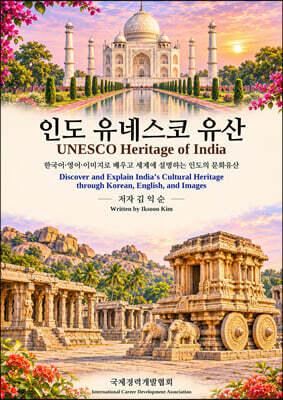
『인도 유네스코 유산』은 인도와 관련된 유네스코 세계유산 45편, 인류무형문화유산 16편, 세계기록유산 13편을 장소·전승·기록이라는 세 갈래에서 읽는 문화 교양서이다. 석굴과 사원뿐 아니라 춤과 축제를 이어 가는 사람들, 필사본과 외교문서에 남은 지식과 기억을 다룬다. 등재된 이름을 외우기보다 무엇이 남아 있고 누가 어떻게 보존하거나 전승하는지를 묻는다.
장소에 남은 세계유산 편은 아잔타·엘로라의 석굴과 날란다 유적, 산치의 불교 기념물에서 시작해 타지마할, 라니 키 바브, 아마다바드 역사도시, 인도의 산악철도에 이르는 다양한 장소를 소개한다. 아잔타에서는 스투파를 향해 걷는 예배굴과 작은 거처가 이어진 승원을 비교한다. 날란다에서는 벽돌벽과 통로의 배치를 따라 학습과 생활이 이루어진 공간을 살펴본다. 유적의 외형이 과거 사람들의 활동을 어떻게 보여 주는지 읽는 방식이다.
자연유산에 이르면 고정된 건물 대신 변화하는 환경이 중심이 된다. 카지랑가 국립공원에서는 브라마푸트라강의 범람과 퇴적이 초지·습지·숲을 형성하는 과정, 코뿔소 보호와 동물 이동통로·도로·주민의 생활이 만나는 문제를 설명한다. 칸첸중가, 순다르반스 등에서는 풍경을 감상하는 일과 실제 보전·방문 조건을 함께 생각하게 한다.
무형문화유산 편은 전통 공예와 노래, 춤, 연극, 축제, 요가를 다룬다. 구자라트의 가르바에서는 원 가운데의 등불이나 여신상, 손뼉·노래·걸음의 리듬을 통해 춤의 의례적 의미를 읽는다. 음악가와 공예가, 행사 준비자도 전승에 참여한다는 설명은 무형유산을 무대 위 공연만으로 이해하지 않게 한다. 차우 춤, 쿠티야탐, 쿰브 멜라 등도 공동체와 실천의 관계에서 바라본다.
세계기록유산 편에서는 길기트 필사본과 『리그베다』 등에서 기록의 재료·언어·사본·소장처를 구별한다. 제1차 비동맹운동 정상회의 기록물에서는 1961년의 회의와 오늘날 여러 나라 기록관에 분산된 문서·사진·음성·영화를 함께 살핀다. 기록이 만들어진 장소, 현재 보관된 곳, 온라인 검색 가능 여부와 실제 원문 열람·복제 권한은 서로 다른 문제라는 점도 설명한다.
각 항목은 같은 번호의 한국어 편과 영어 편으로 연결되며, 사진·도식·짧은 대화 질문 뒤에 방문·열람 안내와 참고자료가 이어진다. 관련 장소를 이름으로 찾는 지도 링크와 공식 기관 자료를 대조하고, 부록에서 종교시설의 출입 예절이나 자연보호구역 방문, 축제 참여와 기록 열람의 주의점을 확인할 수 있다. 인도 여행과 문화교류를 준비하는 독자에게는 관찰한 장면을 질문하고 설명하는 자료이며, 문화유산을 공부하는 독자에게는 현장과 기록을 함께 살펴볼 출발점이다.
UNESCO Heritage of India explores 74 heritage entries connected with India: 45 World Heritage properties, 16 intangible cultural heritage elements and 13 Memory of the World entries. It considers places, living practices and d-ocumentary records together. The guiding question is not simply what is listed, but what survives, who sustains it and how it is understood.
The World Heritage section moves from Ajanta, Ellora, Nalanda and Sanchi to the Taj Mahal, the stepwell of Rani-ki-Vav, historic Ahmadabad and the Mountain Railways of India. At Ajanta, the route around a stupa in a prayer hall is compared with rooms for communal monastic life. At Nalanda, brick walls and passages help reveal spaces for learning and residence.
Natural heritage requires a different way of looking. At Kaziranga, the Brahmaputra River's floods and sediments continually shape grassland, wetlands and woodland. The protection of rhinoceroses is considered alongside animal corridors, roads and neighbouring communities. Khangchendzonga and the Sundarbans add conservation and access concerns.
The living-heritage section covers crafts, chanting, dance, theatre, festivals and yoga. Garba of Gujarat is examined through the lamp or goddess image at the centre of a circle and the shared rhythm of singing, clapping and steps. Musicians, craftspeople and organisers also help sustain the practice. Chhau dance, Kutiyattam and Kumbh Mela are approached as community practices, not simply performances for visitors.
The d-ocumentary section distinguishes the material, language, copies and repositories of records such as the Gilgit manuscripts and the Rigveda. The archives of the 1961 Non-Aligned Movement summit reveal how d-ocuments, photographs, sound and film relating to one meeting survive across institutions in several countries. The site of an event, its present repositories, online catalogue access and permissions to read or reproduce originals are not interchangeable.
Korean and English accounts share entry numbers but appear in separate sections, accompanied by images, diagrams, short conversation questions, visiting or collection-access notes, and linked references. Readers can check official sources and name-based map searches, then consult the a-ppendix on visiting sacred places and protected areas, meeting practitioners or seeking archival access. It supports travel, cultural exchange and heritage study.
전체 리뷰 (0)
최근 작성 순